
Bitcoin as a Store of Value: What the Thesis Actually Claims
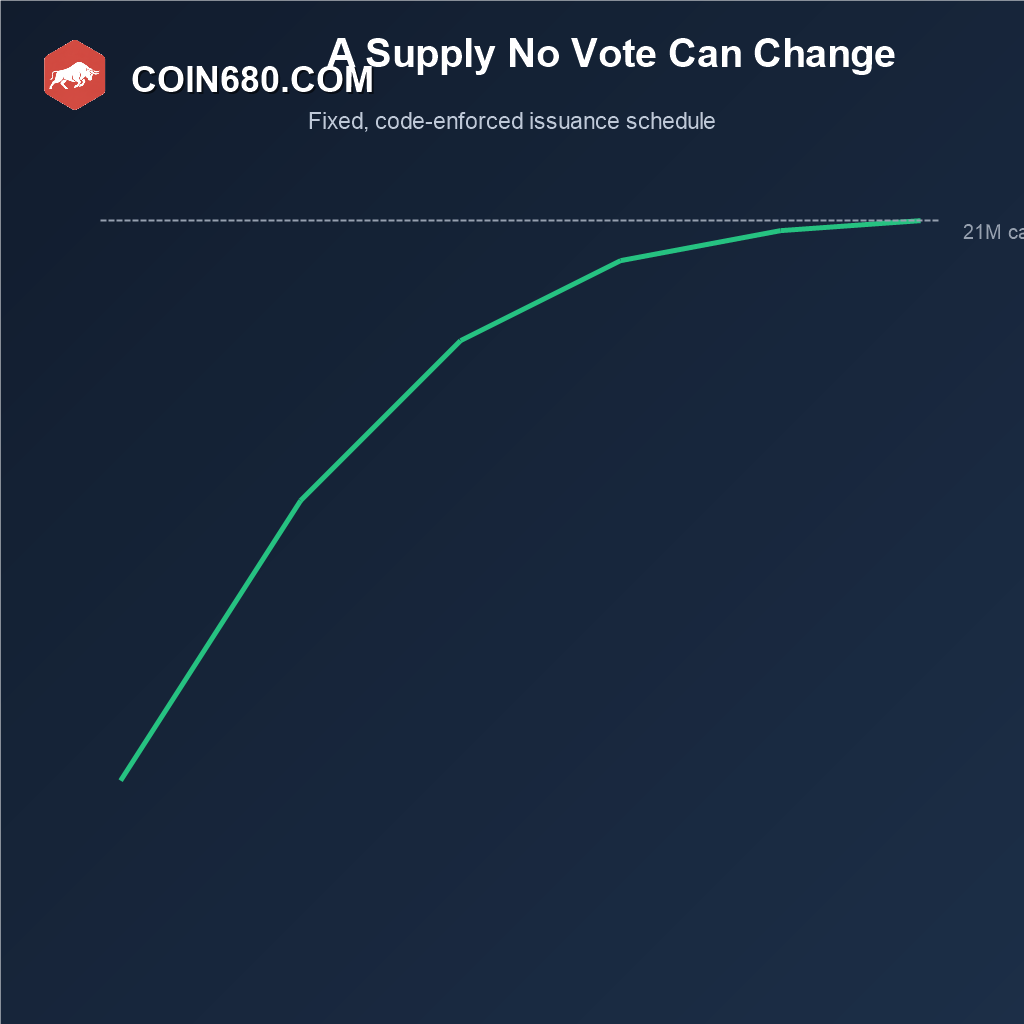
Strip away the marketing language and the store of value thesis makes one specific claim: that scarcity and predictable issuance make Bitcoin one of the best long-term stores of purchasing power ever created. Whether that claim actually holds up depends on which part of it is being examined.
The Core Argument
Bitcoin’s supply schedule is fixed in code and enforced by a decentralized network, not adjustable by any single committee vote the way a central bank’s monetary policy is. That combination, a hard cap on supply plus a network no single party controls, is the thesis’s central pitch: it behaves more like a natural resource with fixed scarcity than a currency that can be arbitrarily expanded.
The Behavioral Evidence
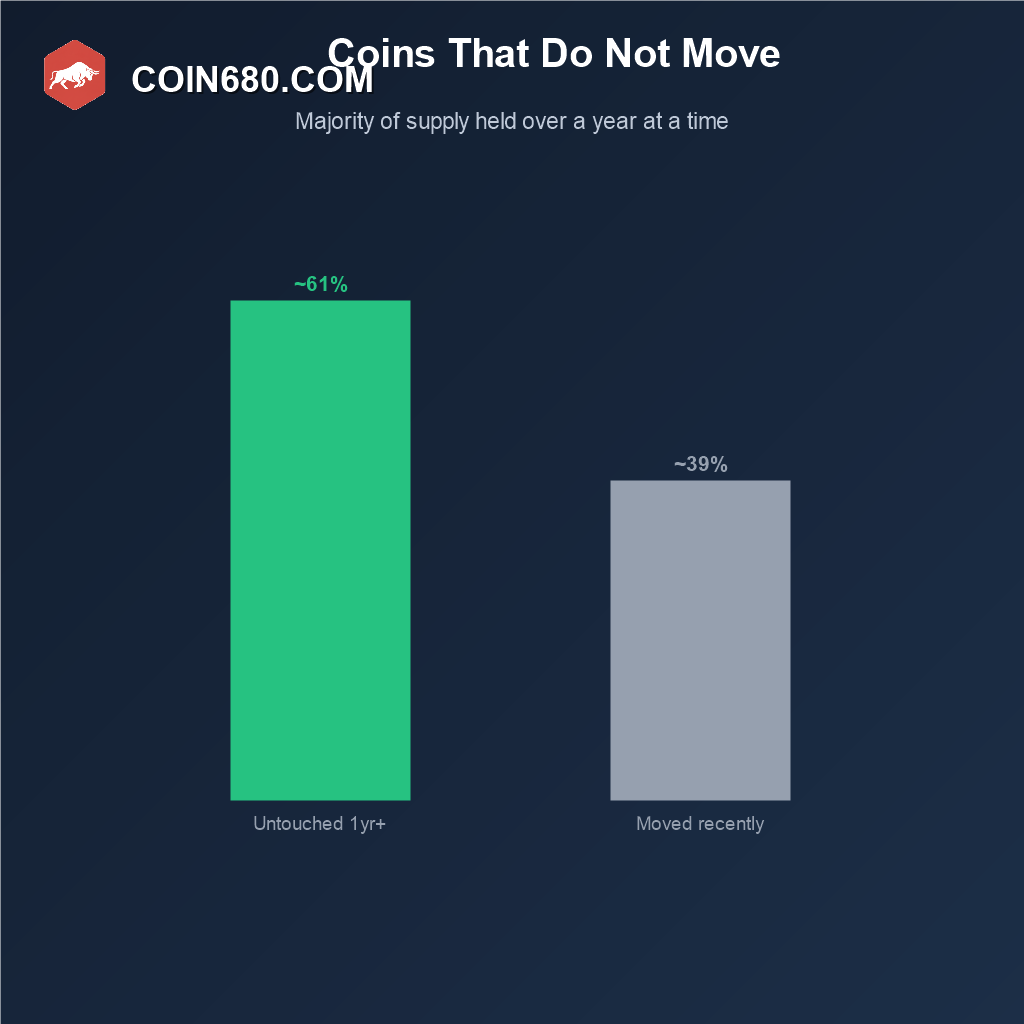
On-chain data offers a real, measurable signal here rather than just theory: a majority of circulating Bitcoin supply has not moved in over a year at any given time, evidence covered in more depth through the long-term versus short-term holder metric earlier in this Academy. That pattern is consistent with holders genuinely treating Bitcoin as something to hold for years, not spend day to day, which is exactly the behavior a store of value is supposed to produce.
The Honest Weakness in the Thesis
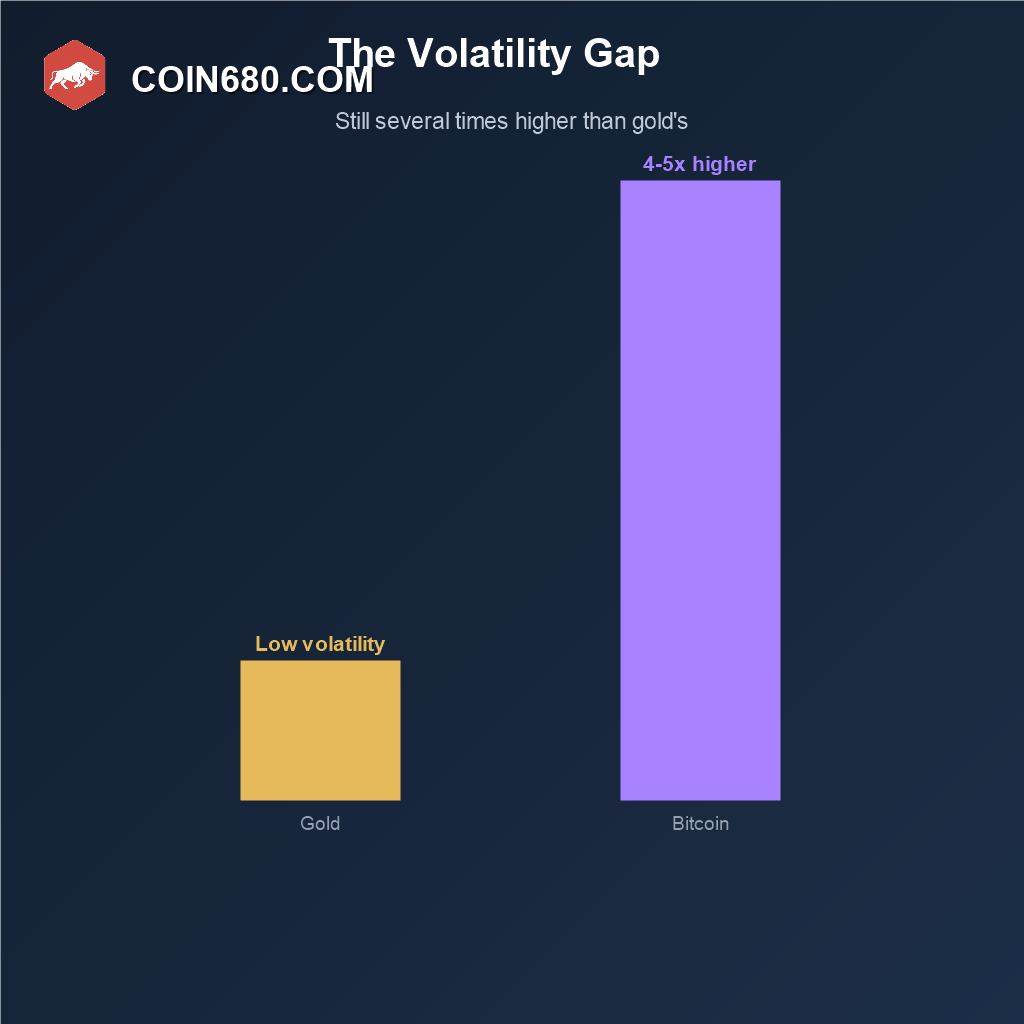
A credible store of value is generally expected to hold its purchasing power with reasonable stability, and Bitcoin’s annualized volatility remains several times higher than gold’s even after more than a decade of maturing markets and institutional adoption. The thesis implicitly assumes that volatility declines predictably as Bitcoin matures, but that decline has been slower and less linear than early proponents expected, which is the strongest honest counterargument against calling it a fully realized store of value today.
Frequently Asked Questions
What is the core argument behind Bitcoin as a store of value?
That its fixed, code-enforced supply schedule and decentralized control make it resistant to the kind of arbitrary monetary expansion that erodes the purchasing power of traditional currencies over time.
Is there real evidence holders treat Bitcoin as a store of value?
Yes, on-chain data consistently shows a majority of circulating supply sitting untouched for over a year at a time, consistent with long-term holding behavior rather than active spending.
What is the biggest weakness in the store of value thesis?
Bitcoin’s volatility remains several times higher than gold’s even well into its existence, which challenges the idea that it already functions as a stable store of value today rather than an asset still maturing toward that role.
Does the store of value thesis assume Bitcoin will become less volatile over time?
Yes, and that assumed decline has been slower and less predictable than early proponents of the thesis expected, which is the central point of honest debate around the idea.
This content is for educational purposes only and does not constitute financial advice. The store of value thesis is a debated framework, not a guarantee of future price stability. Always research independently before investing.
The store of value debate connects to Bitcoin’s broader macro role. Continue with Bitcoin vs traditional safe havens, the inflation hedge debate, or return to the full Bitcoin Academy.