
What Makes Bitcoin an Asset Class of Its Own?
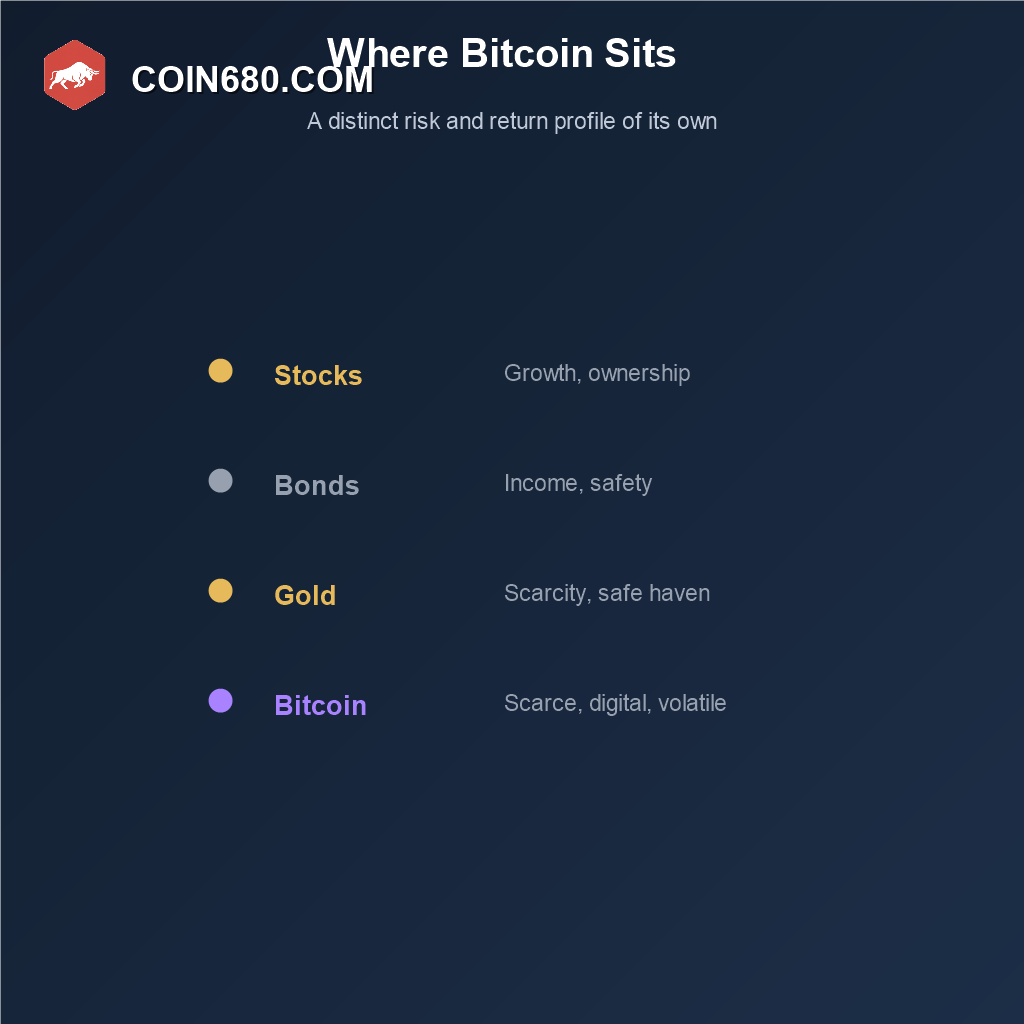
Every established asset class, stocks, bonds, gold, real estate, has a clear reason for existing: a specific role it plays in a portfolio that nothing else quite fills. This chapter opens Economics and Macro by asking the same question of Bitcoin, and the answer turns out to be more nuanced than either “digital gold” or “just a speculative bet.”
What Actually Defines an Asset Class
An asset class is generally defined by a distinct risk and return profile, a specific role in a portfolio, and low enough correlation with other assets to genuinely diversify one, not just by having value or being tradable. Bitcoin is scarce, portable, divisible, and verifiable in ways no prior asset combined, properties covered in detail earlier in this Academy, but properties alone do not automatically make something an asset class in the formal investing sense.
The Case That Bitcoin Qualifies
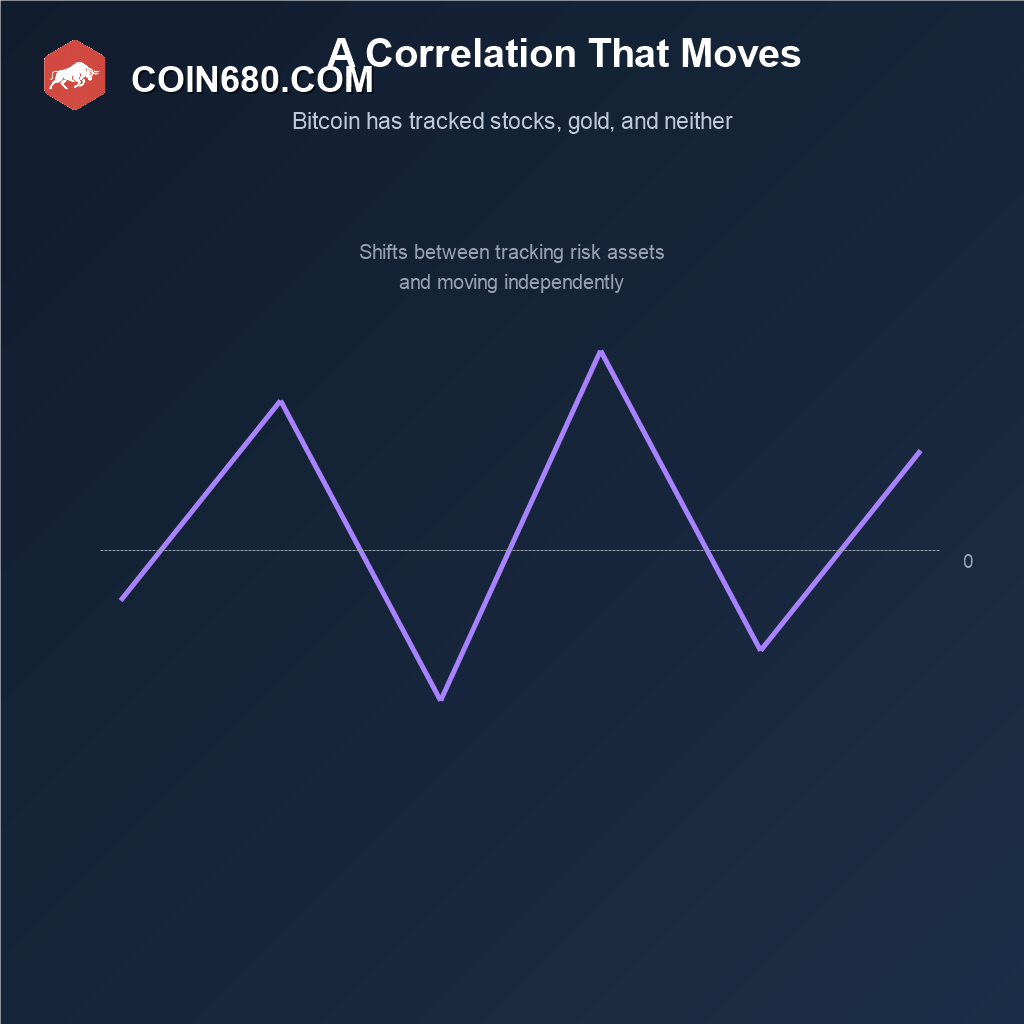
Bitcoin’s correlation with traditional assets has shifted meaningfully over time rather than staying fixed, at times tracking risk-on tech stocks closely, at other times decoupling from both stocks and gold entirely, a pattern explored further later in this chapter. That shifting, sometimes-independent behavior is part of the argument for treating it as its own category rather than a proxy for something that already exists.
The Case for Skepticism
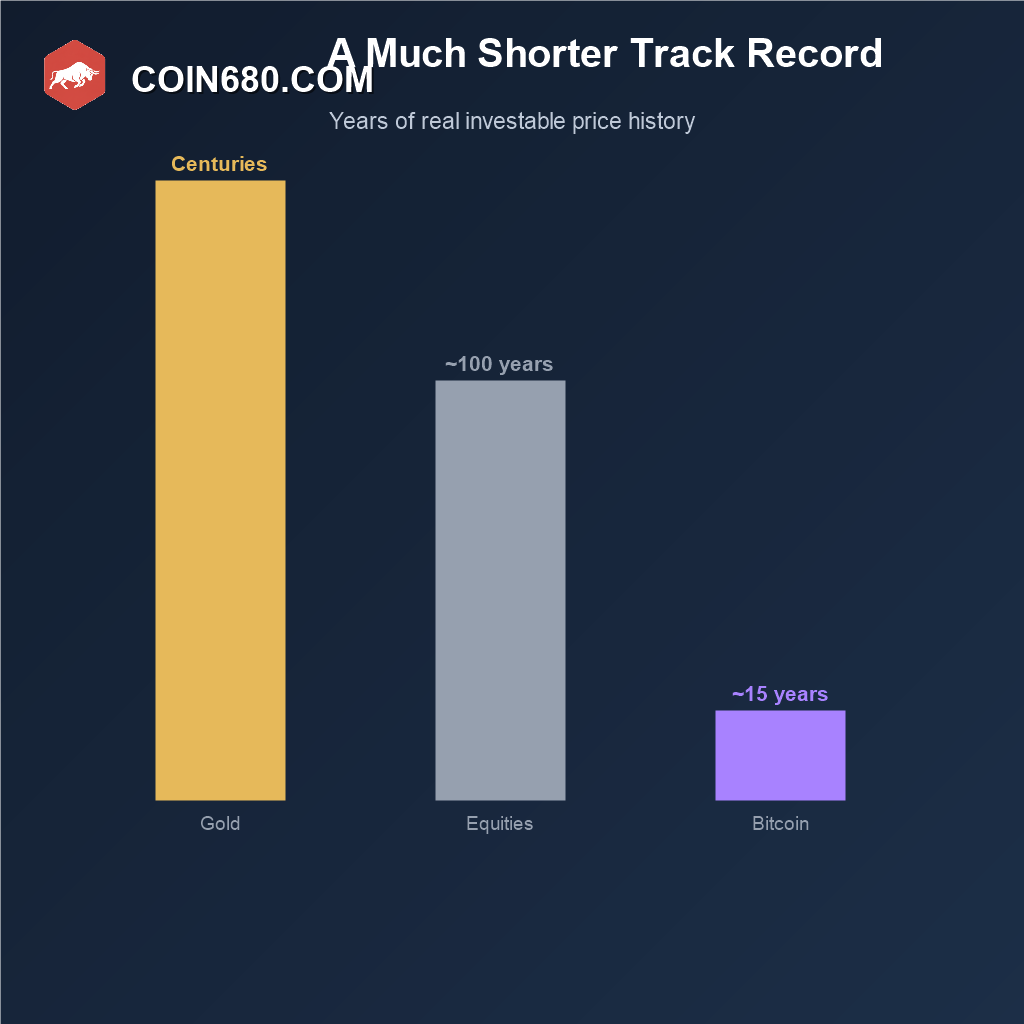
Skeptics point out that Bitcoin’s history as an investable, liquid asset only spans roughly a decade and a half, far shorter than gold’s centuries or equities’ hundreds of years of data, making its long-term behavior across multiple full economic cycles still genuinely unproven. Its volatility also remains several times higher than gold’s even this far into its existence, which challenges the idea that it already behaves like a mature, stable asset class rather than an emerging one still finding its footing.
Frequently Asked Questions
Is Bitcoin officially recognized as its own asset class?
Many institutional research desks and asset managers now treat it as a distinct category in portfolio models, but there is no single official body that formally designates asset classes, so the classification is more a matter of practical consensus than regulation.
Does Bitcoin behave like gold or like tech stocks?
Its behavior has shifted between resembling both at different times, sometimes tracking equities closely, other times decoupling from stocks and gold entirely, which is part of why some argue it deserves its own category.
How long has Bitcoin existed as an investable asset?
Roughly a decade and a half with meaningful liquidity and market infrastructure, considerably shorter than the multi-century track record of gold or equities.
Why does asset class classification actually matter for investors?
It shapes how an asset gets sized in a portfolio, what role it is expected to play, and what comparisons are fair when judging its performance, all covered in more depth throughout this chapter.
This content is for educational purposes only and is not financial advice. Asset classification frameworks are analytical tools, not guarantees about future performance. Always research independently before investing.
This question sets up the rest of the Economics and Macro chapter. Continue with whether Bitcoin is an inflation hedge, the store of value thesis, or return to the full Bitcoin Academy.