
Could Pension Funds and Sovereign Wealth Funds Hold Bitcoin?
Pension funds and sovereign wealth funds sit near the most conservative end of institutional investing, managing retirement savings and national reserves with a mandate to protect capital first. Some of them are now allocating to bitcoin, and the way they are doing it says as much as the decision itself.
Sovereign Wealth Funds Getting Involved
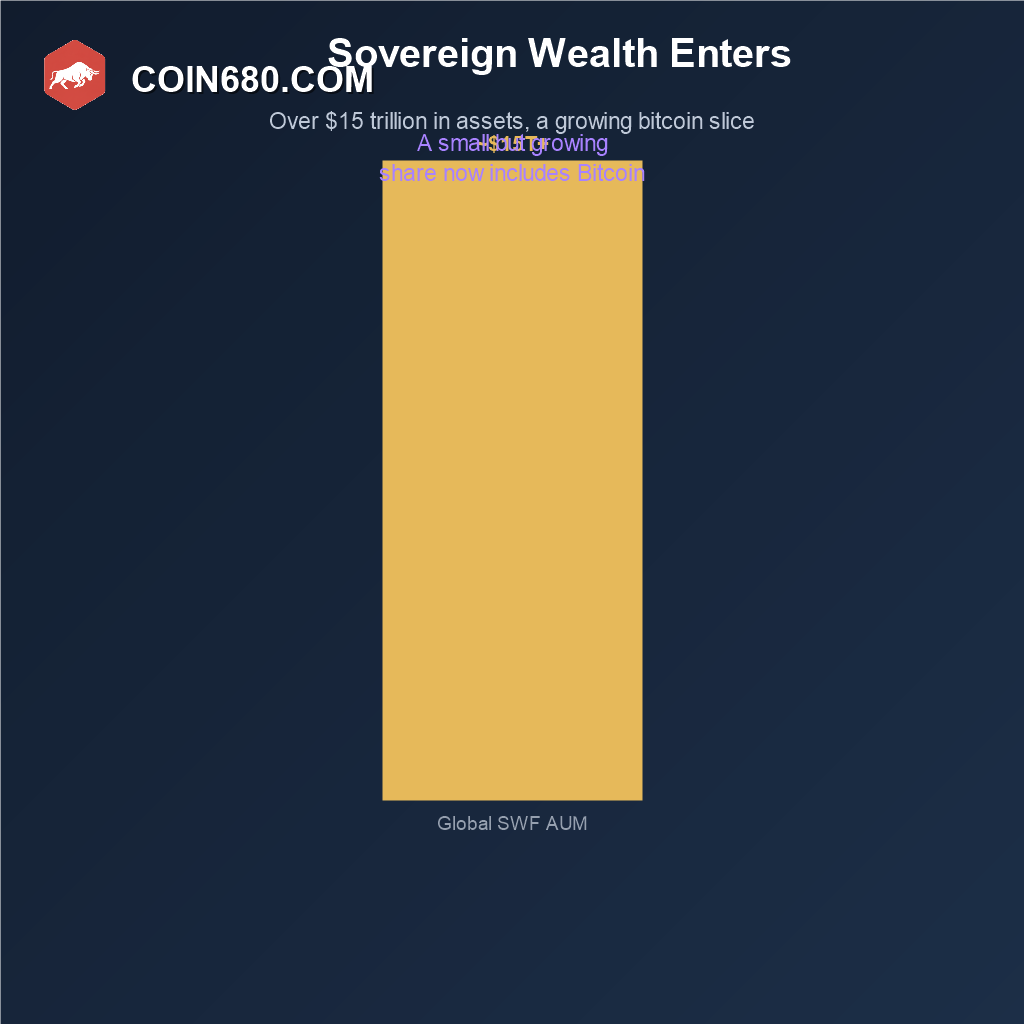
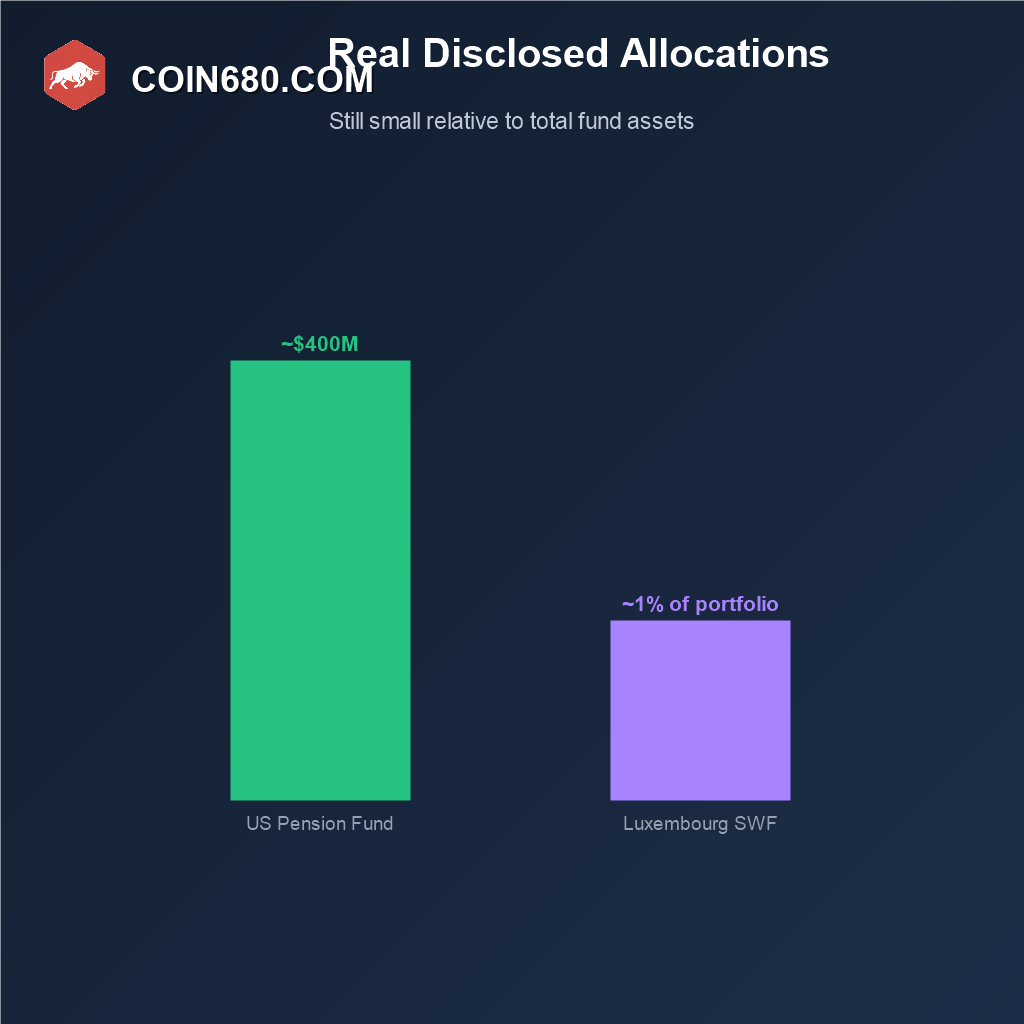
Global sovereign wealth funds collectively crossed roughly fifteen trillion dollars in assets under management, and a growing number now hold bitcoin exposure through regulated vehicles. Luxembourg’s sovereign fund allocated about one percent of its portfolio to bitcoin through a selection of ETFs, while a Gulf-region sovereign fund’s bitcoin exposure via a major spot ETF ranks among its largest disclosed holdings, evidence this is no longer a purely speculative fringe allocation for this category of investor.
Pension Funds Following a Similar Path
A major US state pension fund made a roughly four hundred million dollar allocation, one of the largest pension commitments to bitcoin exposure disclosed to date, and a Japanese corporate pension fund announced plans to allocate a small percentage of its assets to crypto specifically framed as a hedge against currency weakness. These allocations remain small relative to total fund assets, typically in the low single-digit percentage range, consistent with a cautious, diversification-sized position rather than a conviction-heavy bet.
Why They Use ETFs and Public Companies, Not Direct Holdings
Sovereign wealth and pension funds overwhelmingly gain exposure through regulated vehicles, spot ETFs, publicly traded companies with bitcoin exposure, and blockchain infrastructure investments, rather than direct token ownership requiring the institutional custody covered in the previous lesson. That preference reflects the same access barrier the spot ETF approval solved for institutions more broadly, covered earlier in this chapter, now playing out specifically at the pension and sovereign fund level.

Frequently Asked Questions
Do pension funds actually hold Bitcoin directly?
Rarely. Most gain exposure through regulated vehicles like spot ETFs or publicly traded companies with bitcoin holdings, rather than directly owning and custodying bitcoin themselves.
How large are typical pension fund Bitcoin allocations?
Generally small relative to total assets, often in the low single-digit percentage range, consistent with a cautious diversification allocation rather than a large concentrated bet.
Why are sovereign wealth funds allocating to Bitcoin now?
Reasons cited include portfolio diversification and, in some cases, an explicit hedge against currency weakness, following the broader institutional access shift that spot ETFs enabled.
Is pension fund Bitcoin exposure widespread yet?
It remains a minority practice overall, but a growing number of specific pension and sovereign funds have made disclosed allocations, and the trend has accelerated since regulated ETF access became available.
This content is for educational purposes only and is not financial advice. Institutional allocation trends do not guarantee similar future growth or performance. Always research independently before investing.
Institutional access continues with a specific real-world national case study next. Continue with El Salvador’s Bitcoin experiment, revisit how institutions custody Bitcoin, or return to the full Bitcoin Academy.