
What Role Does Bitcoin Play in Cross-Border Remittances?
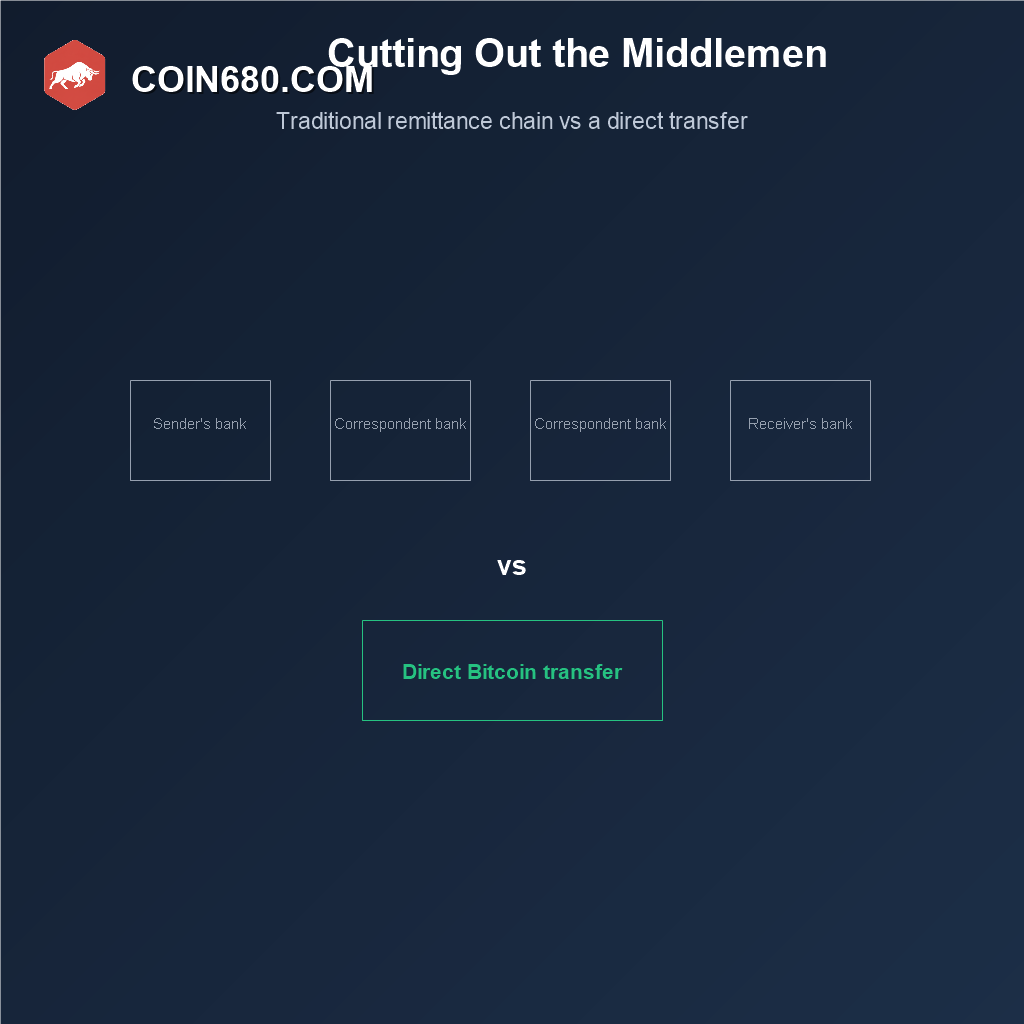
Sending money home from abroad through a traditional remittance service still often means slow transfers and fees that eat a real chunk of what was sent. In several specific corners of the world, Bitcoin has become a genuine alternative rather than a theoretical one.
Why Bitcoin Fits This Use Case
Bitcoin lets someone send value across a border without routing through the long chain of correspondent banks that traditional remittance services typically rely on, and it settles without needing either party to hold a bank account. That combination, lower fees and no dependence on traditional banking infrastructure, is exactly what makes it useful for migrant workers sending money to family in a different country.
Where This Is Actually Happening at Scale
The Philippines, one of the largest remittance-receiving countries in the world, has seen Bitcoin remittance services gain real traction, with roughly 23.4% of the population reported using Bitcoin, one of the highest adoption rates globally tied specifically to this use case. In Venezuela, Bitcoin sent from relatives working abroad has functioned as a lifeline for preserving value amid hyperinflation that has devastated the local currency. Across West Africa, including Nigeria, Ghana, Uganda, and Kenya, Bitcoin and Lightning-based services have found similar traction for the same underlying reason.

The Lightning Network’s Role
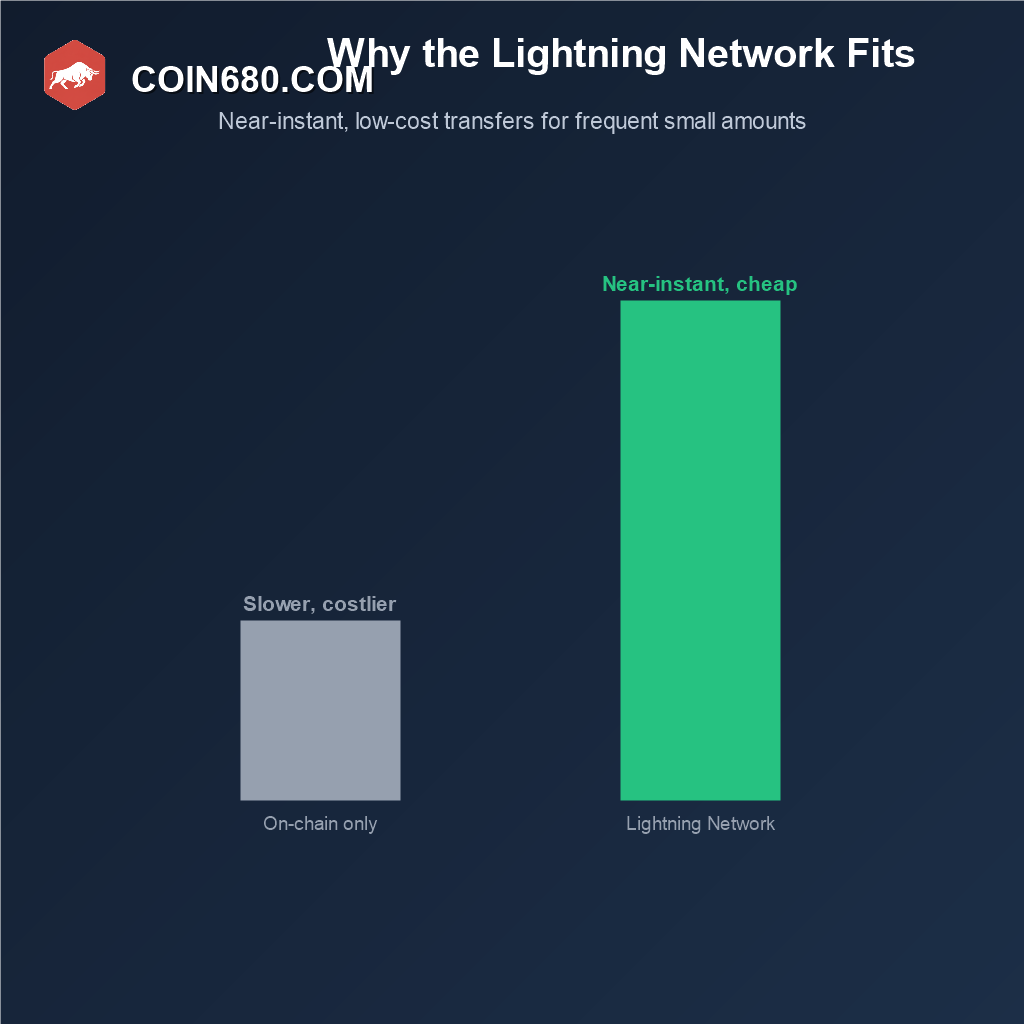
Bitcoin’s base layer alone isn’t always fast or cheap enough for everyday remittance-sized transfers, which is where the Lightning Network, covered elsewhere in this Academy, comes in: near-instant settlement at a fraction of the cost, a combination well suited to the frequent, modest-sized transfers remittance use cases actually involve. Partnerships between fintech companies and Lightning infrastructure providers have specifically targeted this corridor.
The Real Limitation
Bitcoin’s price volatility remains the single biggest practical obstacle for commercial, everyday remittance use: a transfer sent at one price and cashed out hours later at a meaningfully different one introduces real risk that a stable local-currency transfer never has. Most working remittance services address this by converting to local currency as quickly as possible on the receiving end, treating Bitcoin as a fast, cheap transport layer rather than something the recipient is expected to hold.
Frequently Asked Questions
Why is Bitcoin useful for remittances specifically?
It allows cross-border transfers without routing through the long chain of correspondent banks traditional remittance services use, typically resulting in lower fees and no requirement for either party to hold a bank account.
Which countries show the strongest Bitcoin remittance adoption?
The Philippines has notably high adoption tied to remittances, Venezuela has used Bitcoin as a hedge against hyperinflation for money sent from abroad, and several West African countries including Nigeria, Ghana, Uganda, and Kenya have seen similar traction.
What role does the Lightning Network play in Bitcoin remittances?
It enables near-instant, low-cost transfers better suited to the frequent, modest-sized transactions typical of remittance use, compared to Bitcoin’s base layer alone.
What is the biggest practical drawback of using Bitcoin for remittances?
Price volatility is the main obstacle, since a transfer’s value can shift meaningfully between when it’s sent and when it’s converted to local currency, which is why most services convert to local currency quickly on the receiving end.
This content is for general education and is not financial advice. Remittance use cases and adoption figures reflect specific historical contexts and can vary by region and over time. Always research independently before using any transfer service.
Remittances connect directly to the emerging-market adoption story covered next. Continue with why Bitcoin adoption is stronger in emerging markets, revisit Bitcoin ETF flows, or return to the full Bitcoin Academy.