
What Is the Difference Between Nominal and Real Interest Rates for Bitcoin Investors?
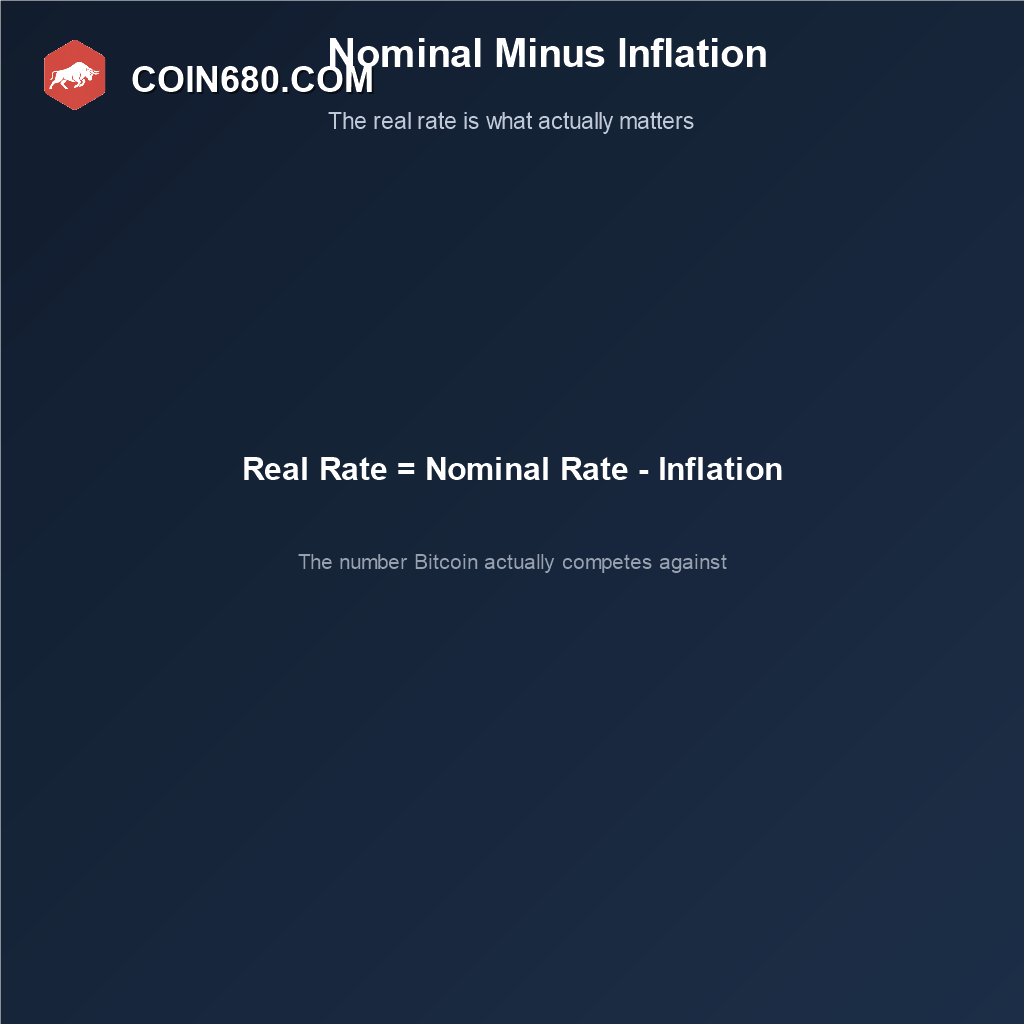
Watching the Federal Reserve’s headline interest rate and trying to predict Bitcoin’s next move from it alone is a common mistake. The rate that actually matters most for Bitcoin isn’t the one on the news, it’s the one adjusted for inflation.
The Distinction Itself
The nominal interest rate is the stated rate on a loan or investment with no adjustment for inflation, the number that gets reported in headlines. The real interest rate subtracts inflation from that nominal figure, roughly nominal rate minus inflation rate, showing the actual return an investor keeps after inflation erodes part of it. Two periods with the identical nominal rate can have very different real rates depending on what inflation is doing at the same time.
Why This Distinction Matters Specifically for Bitcoin
Bitcoin generates no yield of its own, so its appeal as a non-yielding asset is judged against what investors could otherwise earn after inflation, not before it. Focusing solely on nominal Fed rate hikes or cuts can lead to misreading the actual environment Bitcoin is competing in, since a high nominal rate during a period of even higher inflation can still mean a deeply negative real rate, an environment that has historically favored scarce assets rather than punished them.
The Period That Illustrates This Best
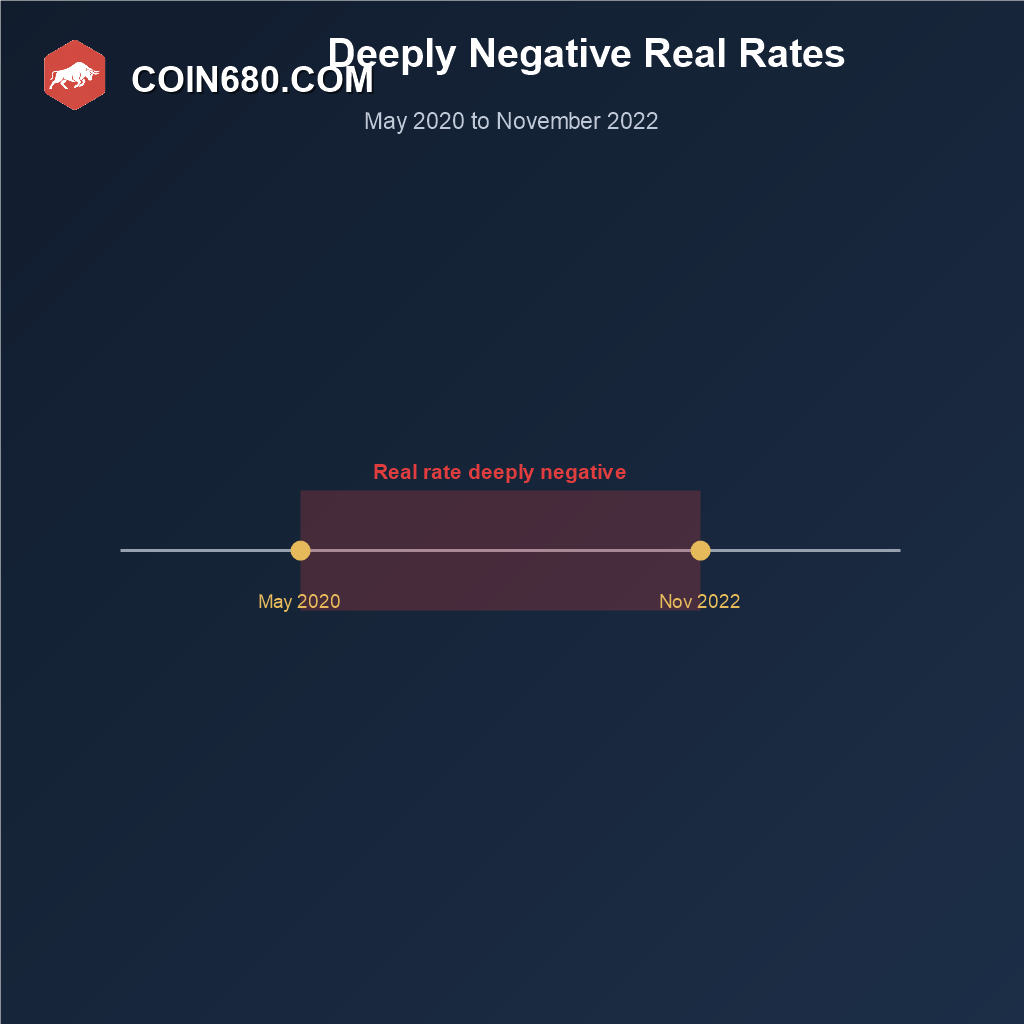
From May 2020 through November 2022, the federal funds rate sat significantly below the prevailing inflation rate, producing a deeply negative real interest rate environment even as nominal rates were technically low but not zero. That stretch of abundant, cheap real liquidity created favorable conditions for risk assets broadly, Bitcoin included, illustrating exactly why the real rate, not the nominal headline, is the number that actually lines up with Bitcoin’s performance.
What to Actually Watch Going Forward
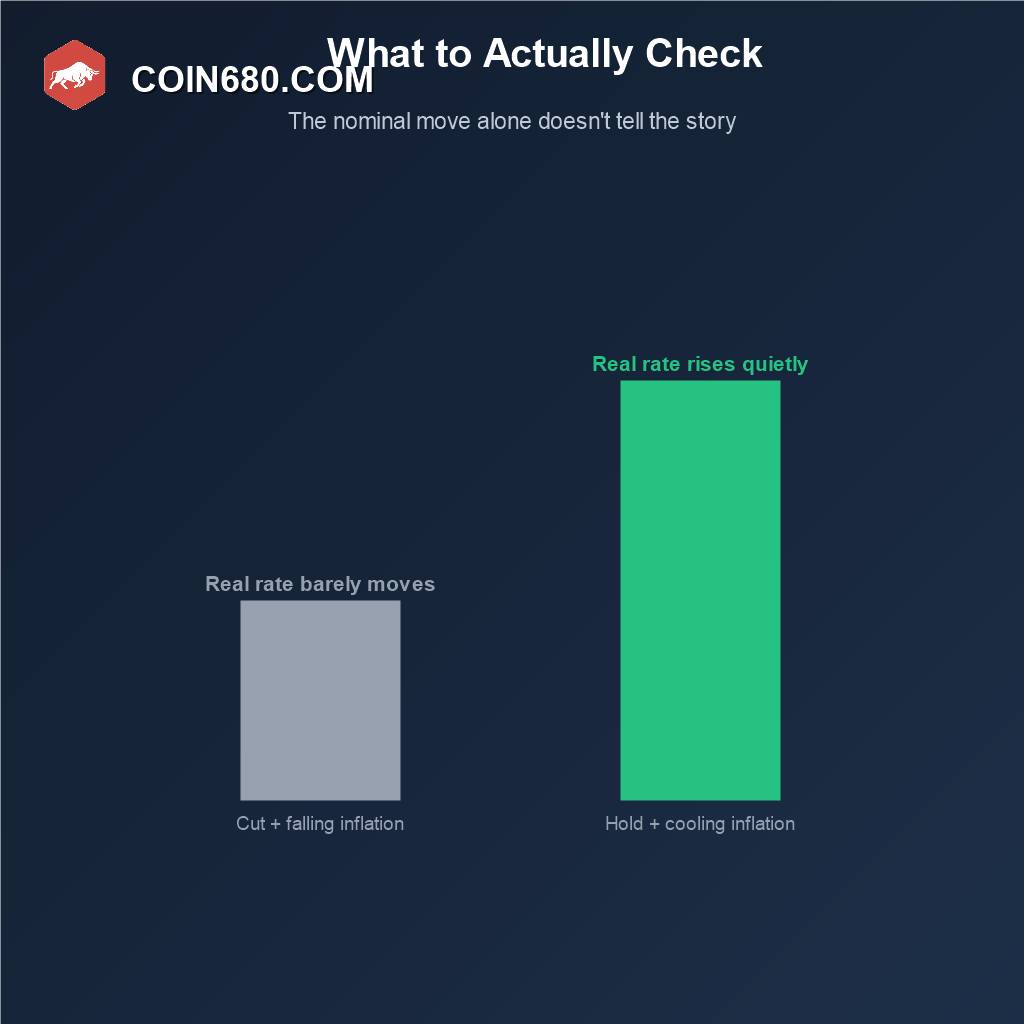
Rather than reacting to a Fed rate decision in isolation, checking where that new nominal rate sits relative to current inflation gives a far more useful read on whether the resulting real rate environment is likely to favor or pressure an asset like Bitcoin. A rate cut paired with falling inflation might barely move the real rate at all, while a rate hold during rapidly cooling inflation can quietly push real rates higher without any Fed action at all.
Frequently Asked Questions
What is the difference between nominal and real interest rates?
The nominal rate is the stated rate with no adjustment for inflation, while the real rate subtracts inflation from the nominal rate to show the actual return after inflation’s effect is accounted for.
Why does the real interest rate matter more than the nominal rate for Bitcoin?
Since Bitcoin generates no yield, its appeal is judged against what other assets return after inflation, meaning the real rate reflects Bitcoin’s actual competitive environment more accurately than the nominal headline figure alone.
When was the real interest rate environment most favorable for Bitcoin historically?
From May 2020 through November 2022, the federal funds rate sat well below prevailing inflation, producing a deeply negative real rate environment that coincided with a strong period for Bitcoin and other risk assets.
Can nominal rates stay the same while real rates change significantly?
Yes, since the real rate depends on both the nominal rate and inflation, a shift in inflation alone can meaningfully change the real rate even if the nominal rate set by the Fed doesn’t move at all.
This content is for educational purposes only and is not financial advice. Interest rate relationships with asset prices vary by period and carry no guarantee of repeating. Always research independently before investing.
Understanding real rates sets up how institutions actually try to value Bitcoin. Continue with institutional Bitcoin valuation models, revisit quantitative easing and Bitcoin, or return to the full Bitcoin Academy.