
What Is Stratum? The Mining Pool Protocol Explained
What is Stratum?
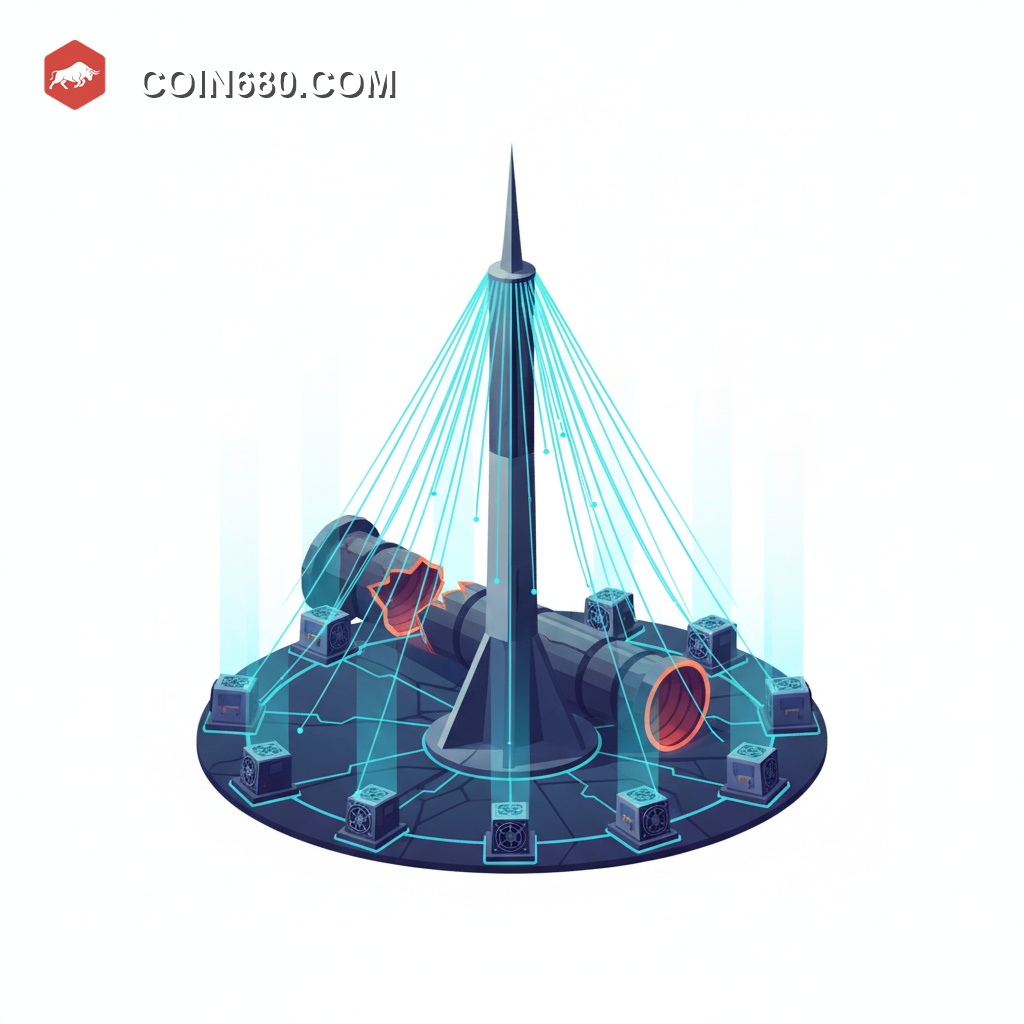
Stratum is the communication protocol that lets individual mining hardware talk to a mining pool’s servers efficiently — distributing work assignments to miners and collecting their submitted shares, without wasting bandwidth on unnecessary data.
Why did mining need its own specialized protocol at all? Because early mining setups used a much more bandwidth-heavy method that worked fine for a handful of participants but became inefficient once mining pools started coordinating thousands of individual devices simultaneously.
How does it work in practice? A pool server sends each connected miner a work template based on current unconfirmed transactions and the previous block. The miner’s hardware works through possible answers as fast as it can, and submits any shares found back to the pool, which periodically updates the template as new transactions or blocks arrive.
What happens if this communication is slow or unreliable? A miner working on outdated information is wasting electricity and hash rate on work that can never pay off. This is why Stratum was designed to be lightweight and low-latency, minimizing the delay between a network change and every connected miner learning about it.
A newer version, Stratum V2, gives individual miners more control over which transactions get included in the blocks they’re working on, rather than leaving that decision entirely to the pool operator — a meaningful decentralization improvement for an activity that’s already fairly concentrated among large pool operators.
Curious why giving individual miners more control over transaction selection matters for decentralization? Continue learning in the Bitcoin Academy.