
What Is a SIM Swap Attack and How Does It Threaten Crypto Holders?
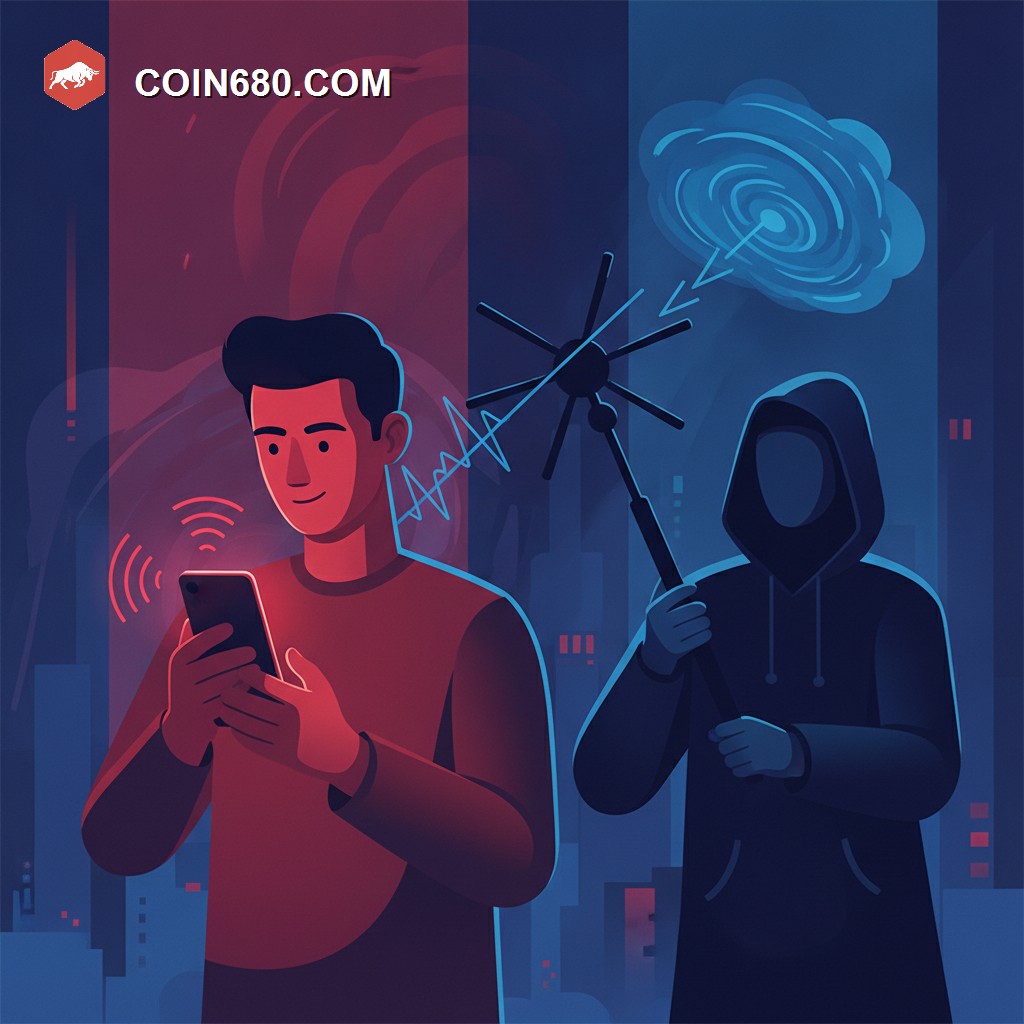
You don’t need to click a malicious link or download a fake app to have your crypto stolen. Sometimes, an attacker just needs to convince your phone carrier they’re you.
What Is a SIM Swap Attack?
A SIM swap attack occurs when an attacker convinces a mobile phone carrier to transfer a victim’s phone number to a SIM card the attacker controls, typically through social engineering or by exploiting weak identity verification at the carrier. Once successful, the attacker begins receiving the victim’s calls and text messages, including SMS-based verification codes.
How Does This Threaten Crypto Holders Specifically?
Many exchanges and services use SMS text messages as a two-factor authentication method for account security and password resets. Once an attacker controls your phone number through a SIM swap, they can often intercept these codes, allowing them to reset passwords and bypass SMS-based security on crypto exchange accounts, potentially draining custodial funds before the victim even realizes their phone number has been compromised.
This makes SIM swap attacks particularly dangerous for anyone keeping significant funds on exchanges protected primarily by SMS-based two-factor authentication, rather than more secure alternatives.
How Can You Protect Yourself From SIM Swap Attacks?
Using an authenticator app instead of SMS for two-factor authentication removes the specific vulnerability a SIM swap exploits, since the authentication codes no longer route through your phone carrier at all. Many carriers also offer additional account security features, like requiring an in-person visit or a specific PIN before any SIM transfer request is approved, which can be enabled proactively.
Beyond authentication methods, minimizing how much crypto you keep on custodial exchange accounts in the first place limits the potential damage even if a SIM swap attack does succeed.
Warning Signs You May Be Experiencing a SIM Swap Attack
- Sudden loss of cell service without explanation, your phone may show no signal even though nothing changed on your end.
- Unexpected account notifications about password changes or login attempts you didn’t initiate.
- Being unable to receive calls or texts that should be coming through normally.
Frequently Asked Questions
Is SMS-based two-factor authentication completely unsafe?
It’s better than no two-factor authentication at all, but it’s considered meaningfully weaker than authenticator app-based methods specifically because of SIM swap vulnerability.
Can a SIM swap attack affect a non-custodial wallet?
Non-custodial wallets that don’t rely on phone-based authentication for access are generally not directly vulnerable, since the attack specifically targets phone number-based account recovery and authentication.
What should I do immediately if I suspect a SIM swap attack?
Contact your mobile carrier immediately to regain control of your number, and simultaneously try to secure any exchange accounts that may be exposed, changing passwords and revoking active sessions where possible.
Want to understand exactly why authenticator apps are considered stronger than SMS for two-factor authentication? Continue learning in the Bitcoin Academy.
Disclaimer: The content provided on this page is for informational and educational purposes only and does not constitute financial or investment advice. Cryptocurrency markets are highly volatile and involve significant risk of loss. Always do your own research and consult a licensed financial advisor before making any investment decisions.