
What Is a Bitcoin Sidechain?
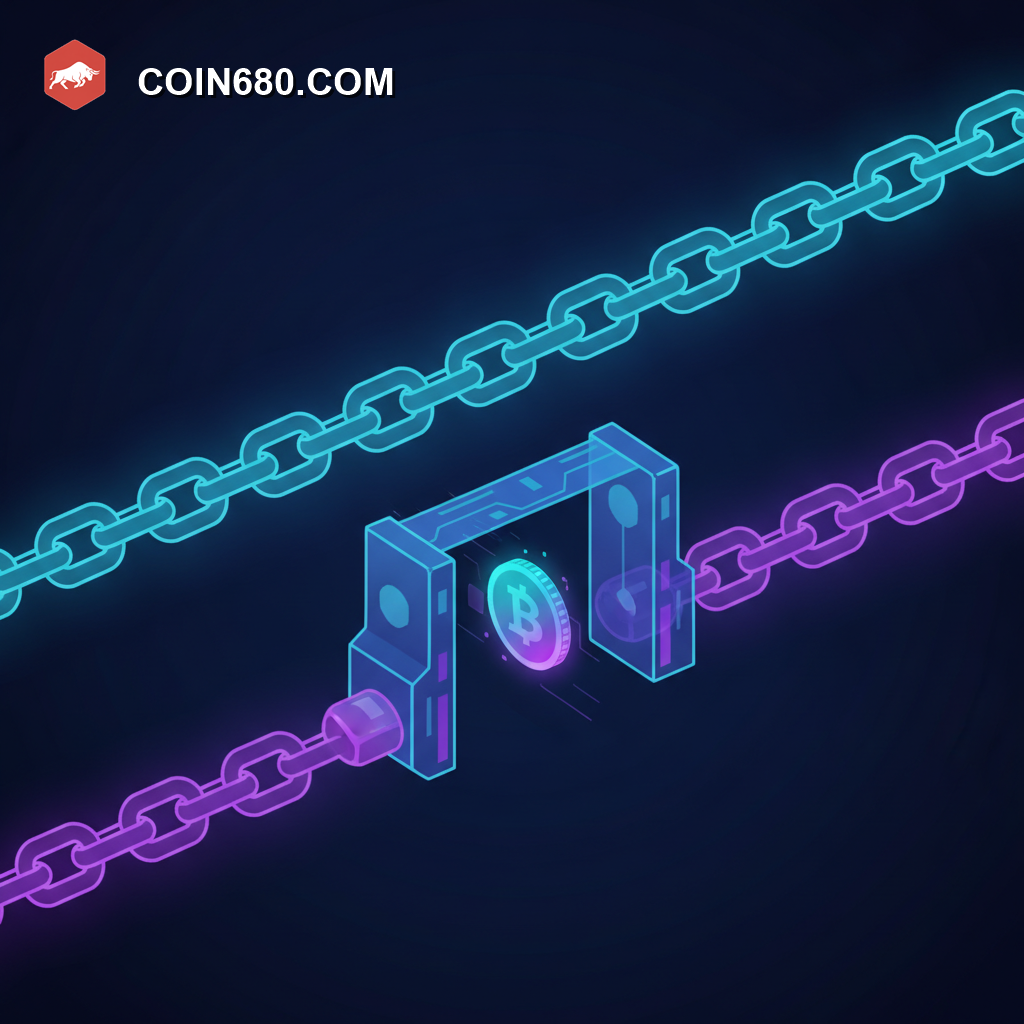
What if you could experiment with entirely new Bitcoin features — faster transactions, different privacy properties, even different rules entirely — without touching Bitcoin’s own base layer at all? That’s the idea behind a sidechain.
A sidechain is a separate blockchain that runs alongside Bitcoin’s main chain and is connected to it through a two-way mechanism that lets Bitcoin move between the two. Coins get locked on the main chain, an equivalent amount becomes usable on the sidechain, and when someone is ready to move back, the sidechain coins are returned and the original Bitcoin is unlocked.
Why build a sidechain instead of just changing Bitcoin directly? Because sidechains let developers experiment with different tradeoffs — faster block times, different privacy features, different scripting capabilities — without requiring the entire Bitcoin network to agree to and adopt those same changes.
Liquid Network is a well-known Bitcoin sidechain, built for faster settlement and confidential transactions aimed at exchanges and institutional traders. Its design trades off some of Bitcoin’s decentralization — it relies on a federation of known participants to manage the two-way peg — in exchange for faster confirmations and additional privacy features.
That federation-based trust model is the key tradeoff to understand: a sidechain’s security guarantees are generally weaker than Bitcoin’s own base layer, since you’re trusting the sidechain’s specific consensus mechanism and peg operators rather than Bitcoin’s globally distributed Proof of Work.
Sidechains are a genuinely different approach from the Lightning Network, which stays anchored much more tightly to Bitcoin’s own security through payment channels rather than an entirely separate chain with its own validators.
Want to see how the Lightning Network’s approach compares to a sidechain’s? Continue learning in the Bitcoin Academy.