
Tether’s USDT Delisted From EU Exchanges Over MiCA Non-Compliance
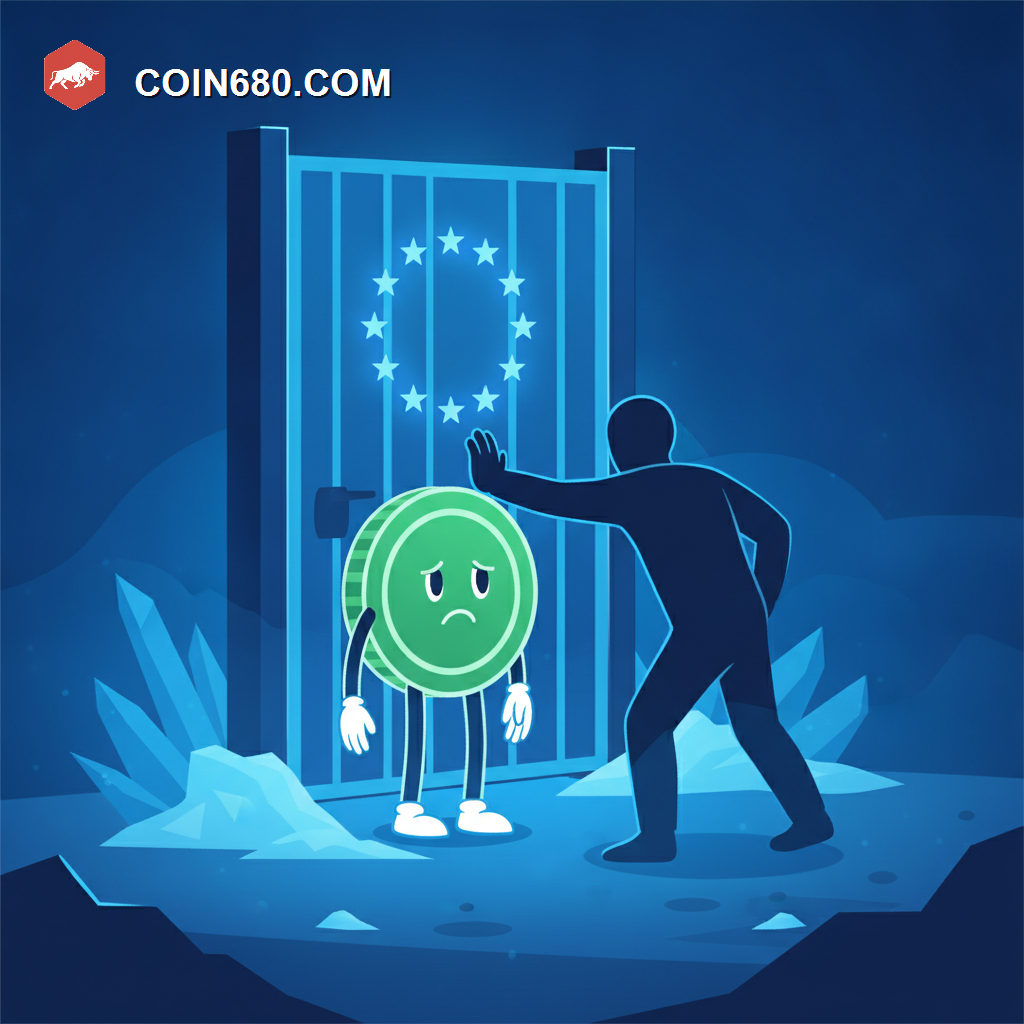
The world’s largest stablecoin is no longer welcome on regulated European exchanges.
USDT has been delisted from platforms operating under the European Union’s Markets in Crypto-Assets regulation, after Tether chose not to pursue the authorization needed to keep the token compliant. The delistings took effect by July 1, 2026, forcing EU-regulated exchanges to remove USDT trading pairs or risk operating outside the bloc’s licensing framework entirely.
What does MiCA actually require of a stablecoin issuer? The framework requires issuers of significant stablecoins to hold specific reserve and capital requirements, register with an EU regulator, and meet ongoing transparency and reporting obligations — a compliance burden that Circle’s USDC has met through its Irish-licensed entity, while Tether has so far opted not to pursue the same path.
Why would Tether decline to seek authorization for its largest market outside the US? Tether has not detailed a full public rationale, though the decision leaves the company’s flagship product locked out of trading on any exchange seeking to maintain EU regulatory compliance, effectively ceding that specific market segment rather than restructuring USDT’s reserve and governance model to meet MiCA’s requirements.
The practical effect for European users has been a forced migration — traders who previously held or traded USDT on regulated EU platforms have needed to convert to MiCA-compliant alternatives like USDC or regional euro-denominated stablecoins to continue trading on those same platforms.
This isn’t Tether’s first friction point with MiCA; the framework has been phasing in stablecoin-specific requirements since 2024, and USDT’s EU delisting had been broadly anticipated by market participants well before the formal deadline arrived.
The episode illustrates a broader dynamic playing out across crypto regulation globally: as major jurisdictions move from having no stablecoin rules to having strict ones, issuers face a genuine choice between costly compliance and ceding entire regional markets to compliant competitors.
Want to understand how stablecoin regulation actually shapes which tokens exchanges can list? Learn more in the Bitcoin Academy.