
MetaMask Rolls Out Contextual Security Warnings to Fight Romance and Investment Scams
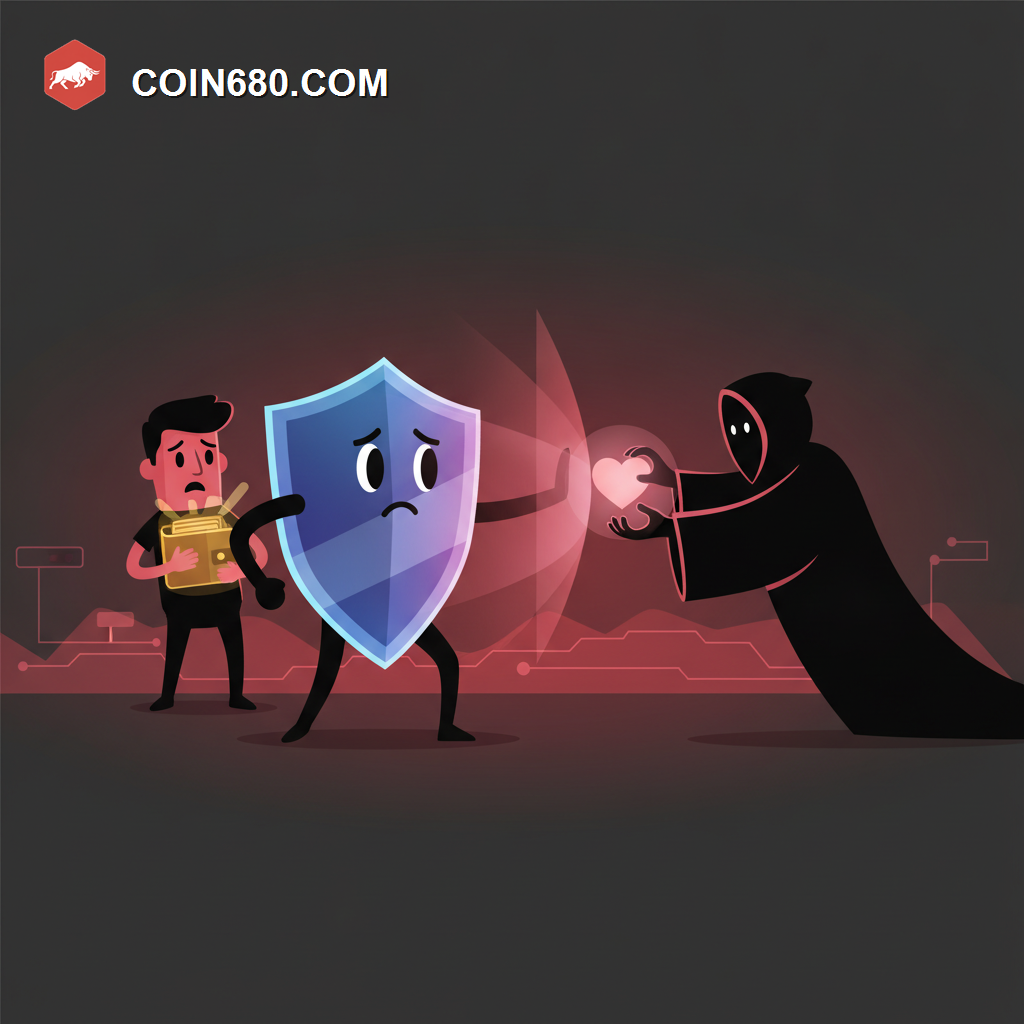
MetaMask has rolled out a new layer of wallet protections built around a simple observation: most crypto theft today doesn’t come from users clicking obviously malicious links, it comes from scammers patiently talking victims into approving transactions that look routine right up until the money is gone.
What’s new
The update adds contextual, responsive security warnings that trigger around specific risk patterns rather than generic pop-ups: lookalike wallet addresses designed to mimic a trusted contact, signals associated with investment and romance scams, and transfers to a recipient the wallet has never sent funds to before. Mobile and browser-extension users will also see clearer transaction preview screens, aimed at making it more obvious what a transaction actually does before it’s approved. A separate feature called Added Protection goes a step further, automatically reverting a transaction if its real on-chain effect doesn’t match what was previewed to the user — it’s launching first on the browser extension, with mobile support planned to follow.
Why romance and investment scams specifically
The targeting isn’t arbitrary. Martin Peko, a staff product manager at MetaMask, explained the thinking behind Added Protection by pointing to a pattern security teams keep seeing: victims who move funds despite warning signs typically aren’t confused, they’re being coached. “They either trusted the recipient far more than usual, or they were being actively coached past it,” Peko said, describing why the company built a feature that intervenes on the transaction itself rather than relying solely on upfront warnings a determined scammer can talk a victim past.
That framing lines up with the scale of the problem authorities have been documenting. In July, U.S. Secret Service investigators working with the U.S. Attorney’s Office for the District of Columbia seized more than $25 million in cryptocurrency tied to investment and romance fraud schemes that defrauded thousands of victims across the U.S. and Canada, tracing funds through hundreds of intermediary wallet addresses in the process. One case alone involved more than 200 romance-scam victims, with a civil forfeiture complaint seeking over $12 million tied to that scheme specifically. Investigators pointed to Southeast Asia-based operations with links to China, Malaysia, and Cambodia as the source of the laundering networks involved.
How the detection actually works
MetaMask’s protections lean on its security partnership with Blockaid, which uses large language models and classification systems to scan unstructured content — websites, social media posts, messaging — for scam and phishing signals, combined with more traditional static and dynamic analysis of on-chain bytecode and transaction flows. The AI layer is a direct response to how scam operations themselves have evolved: attackers are increasingly using generative tools to personalize and scale romance and investment pitches, making pattern-matching against known scam scripts less reliable than it used to be.
What it means for users
None of this makes a wallet scam-proof — MetaMask has been explicit that uncertain cases get routed toward priority human support rather than an automatic block, since false positives that lock legitimate users out of legitimate transactions carry their own cost. But layering contextual warnings, transaction-preview accuracy checks, and automatic reversion on top of each other addresses a real gap: most existing wallet security tooling has focused on detecting malicious contracts and phishing sites, not on the social-engineering step that gets a victim to willingly click “confirm” on a transaction that looks, on its face, unremarkable.
The embedded post above is an older MetaMask example of its existing Blockaid-based warning system flagging a deceptive request — included as verified background illustrating the detection approach this update expands on, rather than an announcement of the new features themselves.
Scams evolve constantly, and no wallet feature eliminates the risk of loss entirely; always verify recipients independently before sending funds, especially to anyone met primarily online. This is not financial advice. Readers wanting to understand wallet security fundamentals can start with coin680’s Bitcoin Academy.