Is Bitcoin Legal? A Country-by-Country Overview
Is Bitcoin legal is one of the most common questions beginners ask, and the honest answer is that it depends entirely on where you live, since no single global law governs it. This lesson breaks down how different countries actually treat Bitcoin, from full acceptance to outright bans, with structured lessons from Coin680.
Table of Contents
- Is Bitcoin Legal? An In-Depth Overview
- Why Does Bitcoin’s Legal Status Matter?
- Detailed Analysis of Bitcoin Regulation by Region
- Step-by-Step Guide to Checking Bitcoin’s Status Where You Live
- Common Pitfalls When Assuming Bitcoin’s Legal Status
- Frequently Asked Questions About Bitcoin’s Legality
- Continue Your Bitcoin Learning Journey with Coin680
Is Bitcoin Legal? An In-Depth Overview
In most of the world, owning, buying, and selling Bitcoin is completely legal. The majority of countries, including the United States, most of Europe, Japan, South Korea, Australia, and the large majority of nations globally, allow individuals to hold and trade Bitcoin, typically requiring exchanges to follow standard financial regulations like identity verification and anti-money-laundering checks.
A smaller number of countries have placed significant restrictions on Bitcoin, most notably China, which has banned cryptocurrency trading and mining domestically multiple times since 2013, most decisively in 2021. A handful of countries have gone further and banned it outright for individuals, citing concerns about capital flight, monetary sovereignty, or financial stability.
Then there is El Salvador, which took the opposite approach entirely, becoming the first country to make Bitcoin legal tender alongside the US dollar in 2021, meaning businesses are required to accept it as payment if technically able to do so. The Central African Republic briefly did something similar before reversing course.
This patchwork exists because Bitcoin does not fit neatly into any pre-existing legal category. Is it a currency, a commodity, a security, or property? Different countries, and sometimes different regulators within the same country, have answered this question differently, and those answers directly shape what rules apply to buying, holding, and trading it locally.
Why Does Bitcoin’s Legal Status Matter?
Legal status determines much more than whether you are technically allowed to own Bitcoin. It shapes which exchanges can legally operate in your country, whether your gains are taxed and how, whether banks will process transfers connected to crypto purchases, and what protections, if any, you have if something goes wrong.
For beginners, understanding this matters for a few concrete reasons:
- Exchange access: some exchanges restrict or block users from certain countries entirely to comply with local law.
- Tax obligations: in most legal jurisdictions, Bitcoin gains are taxable, even though it isn’t issued by a government.
- Banking friction: some banks flag or block transfers to crypto exchanges even where Bitcoin itself is fully legal.
- Changing rules: regulation is still actively evolving in many countries, meaning today’s rules may not be tomorrow’s.
Ignoring this dimension entirely is one of the more expensive mistakes a new Bitcoin user can make, particularly around taxes, which are covered in more depth in a later Academy lesson.
Detailed Analysis of Bitcoin Regulation by Region
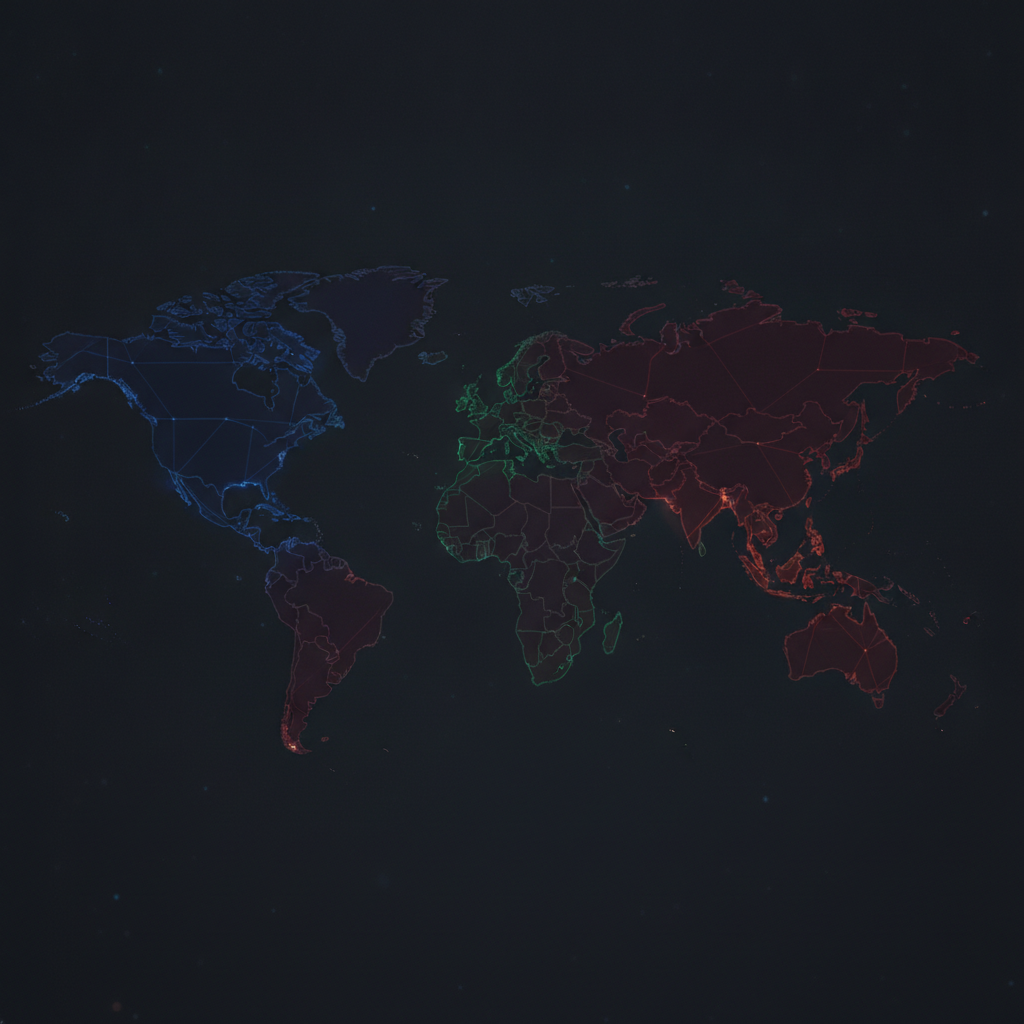
Broadly, countries tend to fall into one of a few regulatory postures toward Bitcoin.
Fully Legal and Regulated
The United States, the United Kingdom, the European Union, Japan, South Korea, Canada, and Australia all permit Bitcoin ownership and trading, generally requiring licensed exchanges to register, verify customer identity, and report suspicious activity, similar to how traditional brokerages are regulated.
Legal Tender Status
El Salvador remains the most prominent example of a country granting Bitcoin legal tender status, meaning it must be accepted for payment in the same way the local currency is, at least in principle, though actual day-to-day adoption for payments has been mixed since the law passed.
Restricted or Banned
China bans cryptocurrency exchanges and mining operations from operating domestically, though individuals owning Bitcoin privately face a legal gray area rather than explicit criminal prosecution in most cases. A small number of other countries have imposed outright bans on individual ownership as well.
| Regulatory Posture | Example Countries | What It Generally Means |
|---|---|---|
| Fully legal, regulated | USA, UK, EU, Japan, South Korea | Licensed exchanges, tax rules apply |
| Legal tender | El Salvador | Must be accepted for payment where feasible |
| Restricted | China | Exchanges and mining banned, individual ownership unclear |
| Banned for individuals | A small number of countries | Ownership itself is illegal |
Step-by-Step Guide to Checking Bitcoin’s Status Where You Live
Rather than relying on general claims like “Bitcoin is legal” or “Bitcoin is banned,” it helps to actually verify your specific situation:
- Check your country’s central bank or financial regulator website for official statements on cryptocurrency, which are usually more reliable than social media claims.
- Look up whether major regulated exchanges accept users from your country, since this is a strong practical signal of legal accessibility.
- Research your country’s tax treatment of cryptocurrency gains, since legality and tax obligations are separate questions that both matter.
- Check whether your local banks have any stated policy on transfers to or from crypto exchanges.
- Revisit this periodically, since crypto regulation continues to change in many countries year to year.
Common Pitfalls When Assuming Bitcoin’s Legal Status
Assuming legality is the same everywhere. Rules genuinely differ by country, and sometimes by region within a country, so information written for one jurisdiction may not apply to yours.
Confusing “unregulated” with “illegal.” Some countries simply haven’t issued clear crypto regulations yet, which is different from having banned it outright.
Ignoring tax obligations because Bitcoin isn’t government-issued. In most countries where Bitcoin is legal, profits from selling it are still taxable events, regardless of who issued the asset.
Relying on outdated information. Crypto regulation has changed significantly in many countries over just the past few years, so older articles may no longer reflect current rules.
Frequently Asked Questions About Bitcoin’s Legality
Is Bitcoin legal in the United States?
Yes. Bitcoin is legal to own and trade in the United States, subject to tax reporting requirements and regulations on licensed exchanges.
Which countries have banned Bitcoin?
China restricts exchanges and mining domestically, and a small number of other countries have banned individual ownership outright, though the specific list of fully banned countries is relatively short compared to those that permit it.
Do I have to pay taxes on Bitcoin?
In most countries where Bitcoin is legal, yes, gains from selling or trading it are typically treated as taxable events, similar to other investment assets.
Can Bitcoin’s legal status change in my country?
Yes. Regulation is still actively evolving in many places, and rules that apply today may be updated or replaced in the future.
Continue Your Bitcoin Learning Journey with Coin680
Now that you understand where Bitcoin stands legally, the next natural question is whether it’s actually safe to use and hold, both from a technical and a financial risk perspective. Coin680’s Bitcoin Academy explores that distinction next.
Disclaimer: The content provided on this page is for informational and educational purposes only and does not constitute financial, investment, or legal advice. Cryptocurrency markets are highly volatile and involve significant risk of loss. Always do your own research and consult a licensed financial or legal advisor before making any investment decisions.
Keep Building Your Bitcoin Knowledge
Explore more beginner-friendly lessons in the Bitcoin Academy, covering safety, wallets and security, buying and trading, and the wider crypto market.