
HODLing vs Active Trading: Which Strategy Fits You?
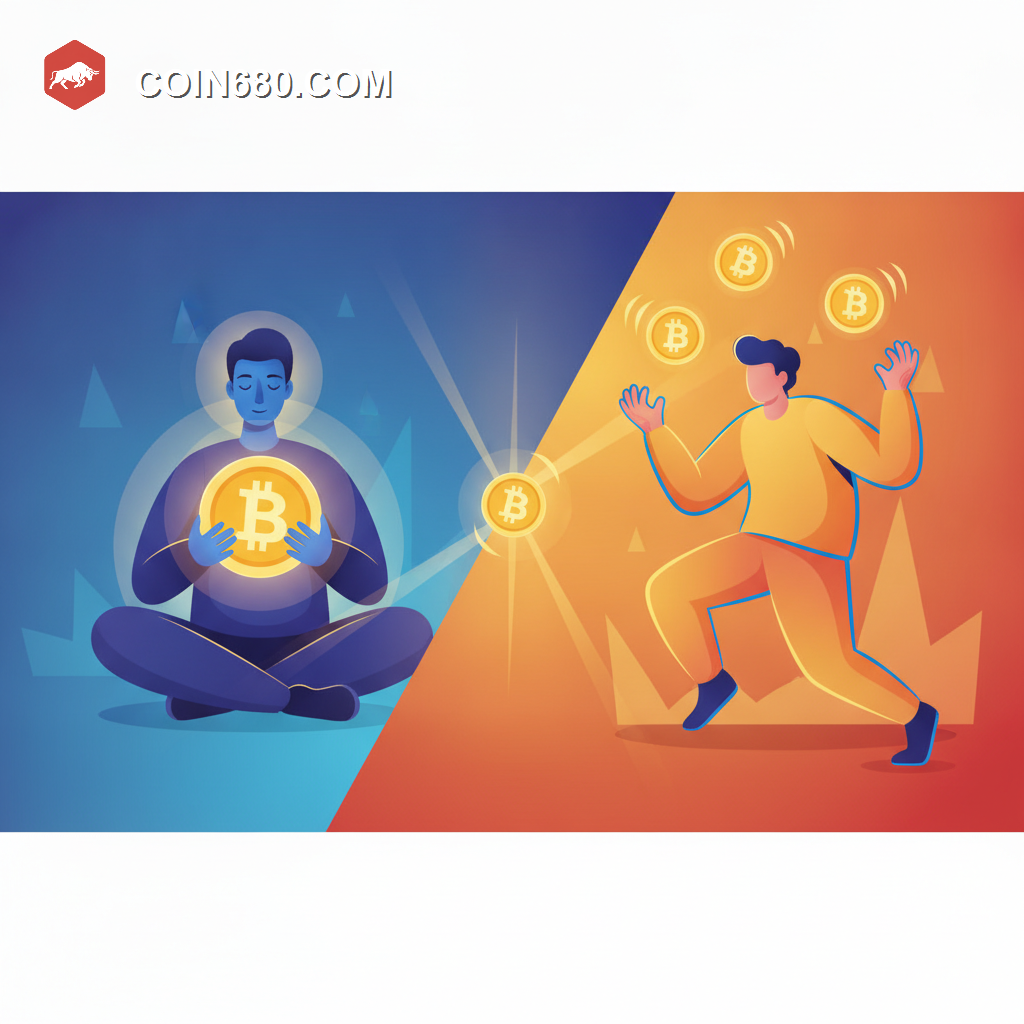
One investor bought Bitcoin years ago and simply hasn’t touched it since. Another checks charts daily and trades frequently. Both approaches have genuinely built long-term wealth, for very different types of people.
HODLing vs Active Trading: Which Strategy Fits You?
HODLing means buying Bitcoin and holding it for the long term, largely ignoring short-term price fluctuations, a term that originated from a famously misspelled forum post and has since become a widely used term for long-term conviction holding. Active trading instead means frequently buying and selling based on shorter-term price movements, attempting to profit from volatility itself rather than long-term appreciation alone.
What Does HODLing Actually Require From an Investor?
HODLing requires relatively little day-to-day effort or market monitoring, but genuinely significant psychological discipline to withstand Bitcoin’s well-documented volatility, covered elsewhere in this Academy, without panic selling during sharp downturns. The strategy’s success depends heavily on Bitcoin’s long-term price trajectory rather than any specific short-term timing skill.
What Does Active Trading Actually Require?
Active trading requires considerably more time, market knowledge, and emotional discipline, understanding order types, chart reading, and risk management, all covered throughout this section of the Academy, become genuinely necessary rather than optional. It also introduces more frequent taxable events, covered in more depth in the Regulation and Tax section of this Academy, and generally higher cumulative trading fees.
HODL vs Active Trading Compared
| Factor | HODLing | Active Trading |
|---|---|---|
| Time commitment | Low | Significant, ongoing |
| Required skill level | Minimal technical trading knowledge needed | Substantial market and risk management knowledge |
| Trading fees over time | Minimal | Can accumulate significantly |
| Primary challenge | Psychological discipline during downturns | Consistent skill and discipline across many decisions |
Is One Approach Objectively Better?
Neither approach is universally superior, HODLing has historically rewarded patient, long-term holders through Bitcoin’s overall growth trajectory, while successful active trading can generate returns beyond simple appreciation, but requires genuine skill most traders, statistically, don’t consistently achieve. The right approach depends heavily on your available time, risk tolerance, and honest self-assessment of your own discipline.
Frequently Asked Questions
Do most active traders actually outperform simply holding long-term?
Studies across various markets generally show most active traders underperform a simple buy-and-hold approach after accounting for fees and taxes, though skilled individual traders certainly do exist.
Can someone combine both HODLing and active trading?
Yes, some investors hold a long-term core position while actively trading a smaller separate portion, balancing both approaches simultaneously.
Is HODLing considered a passive strategy with zero risk?
No, HODLing still carries full exposure to Bitcoin’s price volatility and potential for significant drawdowns, it simply doesn’t involve active timing decisions.
Want to review common mistakes beginners make across both buying and trading Bitcoin? Continue learning in the Bitcoin Academy.
Disclaimer: The content provided on this page is for informational and educational purposes only and does not constitute financial or investment advice. Cryptocurrency markets are highly volatile and involve significant risk of loss. Always do your own research and consult a licensed financial advisor before making any investment decisions.