

Bitcoin Academy
What Is Bitcoin Mining Profitability? How It’s Calculated
Mining profitability weighs Bitcoin earned (block reward plus fees, dependent on hash rate and price) against costs (mainly…
Mining profitability weighs Bitcoin earned (block reward plus fees, dependent on hash rate and price) against costs (mainly…

Every Bitcoin address is derived from a public key, which is derived from a secret private key using…

ECDSA is the cryptographic scheme Bitcoin uses to let someone prove they control a private key and authorize…

Decentralized timestamping is how Bitcoin establishes a verifiable order of transactions without a central clock -- each block's…

A payment channel is the Lightning Network's core building block: two parties lock funds in one on-chain transaction,…
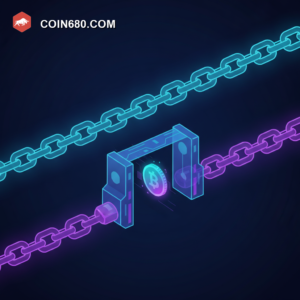
A sidechain is a separate blockchain pegged two-way to Bitcoin's main chain, letting developers experiment with different features…

A BIP (Bitcoin Improvement Proposal) is a formal document describing a proposed protocol change, discussed publicly and adopted…

A soft fork tightens Bitcoin's rules in a backward-compatible way (like SegWit and Taproot), while a hard fork…

The Genesis Block is Bitcoin's first block, mined by Satoshi Nakamoto on January 3, 2009, containing an embedded…

An orphan block is a validly mined Bitcoin block that gets discarded because a competing block at the…