
Hot Wallets vs Cold Wallets: Which Should You Use?
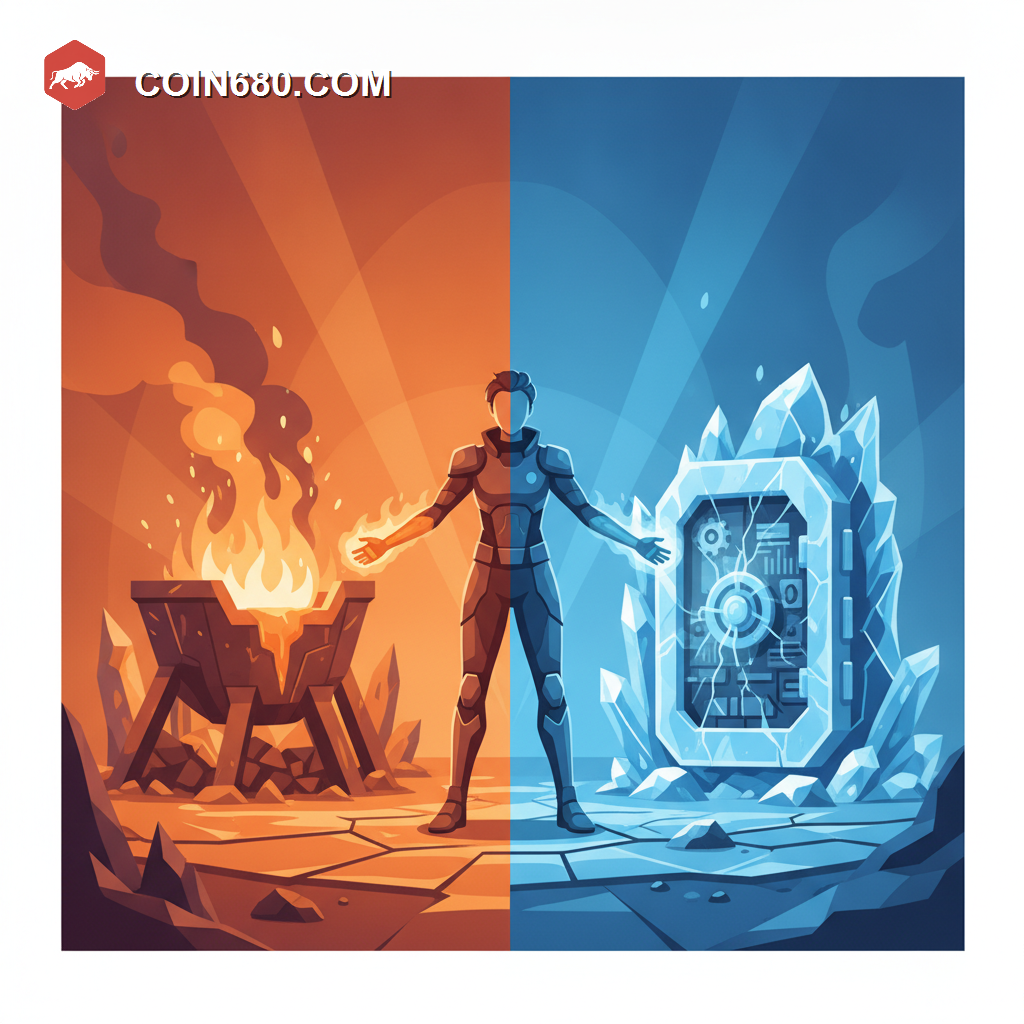
Every Bitcoin holder eventually faces the same tradeoff: convenience or security. Understanding hot and cold wallets is how you decide which one your funds actually need.
What Is the Difference Between Hot and Cold Wallets?
A hot wallet is any Bitcoin wallet that remains connected to the internet, typically running as an app on a phone, computer, or exchange account. A cold wallet keeps private keys entirely offline, most commonly through a dedicated hardware device or a physically printed paper wallet, never exposing the keys to an internet-connected system.
The core distinction comes down to exposure. A hot wallet’s constant connectivity makes it convenient for frequent transactions but creates a larger attack surface for remote hacking attempts. A cold wallet’s offline nature makes it dramatically harder to compromise remotely, at the cost of some convenience for everyday use.
When Should You Use a Hot Wallet?
Hot wallets make sense for funds you plan to spend or trade actively, similar to how you might keep a modest amount of cash in a physical wallet rather than a bank vault. Their convenience, quick access, easy sending, integration with apps and exchanges, is exactly what active use requires.
The tradeoff is risk: malware, phishing attacks, and compromised devices can all potentially expose a hot wallet’s private keys, meaning holding large amounts in a hot wallet long-term carries meaningfully more risk than the same amount held cold.
When Should You Use a Cold Wallet?
Cold storage is generally recommended for savings you don’t need to access frequently, the crypto equivalent of a long-term bank vault rather than a spending account. Since the private keys never touch an internet-connected device, remote attackers have no direct digital path to compromise them.
The main practical risks with cold storage shift from digital to physical: losing the device, damaging it, or losing the backup seed phrase needed to recover funds if the device fails.
Comparing Hot and Cold Wallets
| Factor | Hot Wallet | Cold Wallet |
|---|---|---|
| Connectivity | Online, connected to internet | Offline, disconnected from internet |
| Convenience | High, instant access | Lower, requires physical device |
| Remote hack risk | Higher | Very low |
| Best suited for | Active spending, small amounts | Long-term savings, larger amounts |
A Common Approach: Using Both
Many experienced Bitcoin holders use a combination of both wallet types, keeping a small hot wallet balance for everyday transactions while storing the bulk of their holdings in cold storage. This mirrors how most people manage traditional finances, carrying limited cash while keeping the majority of savings in a more secure, less accessible place.
Frequently Asked Questions
Is it safe to keep any Bitcoin in a hot wallet?
Small amounts intended for active use carry manageable risk for most users, though the exact amount considered safe depends on your personal risk tolerance and security practices.
Can a cold wallet still be hacked?
Cold wallets are far more resistant to remote hacking, though physical theft, device flaws, or a compromised seed phrase backup can still put funds at risk.
Do I need a hardware wallet specifically for cold storage?
A hardware wallet is the most common and user-friendly form of cold storage, though other offline methods exist, each with different tradeoffs in usability and security.
Ready to look closer at how hardware wallets specifically keep your keys offline? Continue learning in the Bitcoin Academy.
Disclaimer: The content provided on this page is for informational and educational purposes only and does not constitute financial or investment advice. Cryptocurrency markets are highly volatile and involve significant risk of loss. Always do your own research and consult a licensed financial advisor before making any investment decisions.