
The 2021 NFT Boom: How Digital Collectibles Went Mainstream
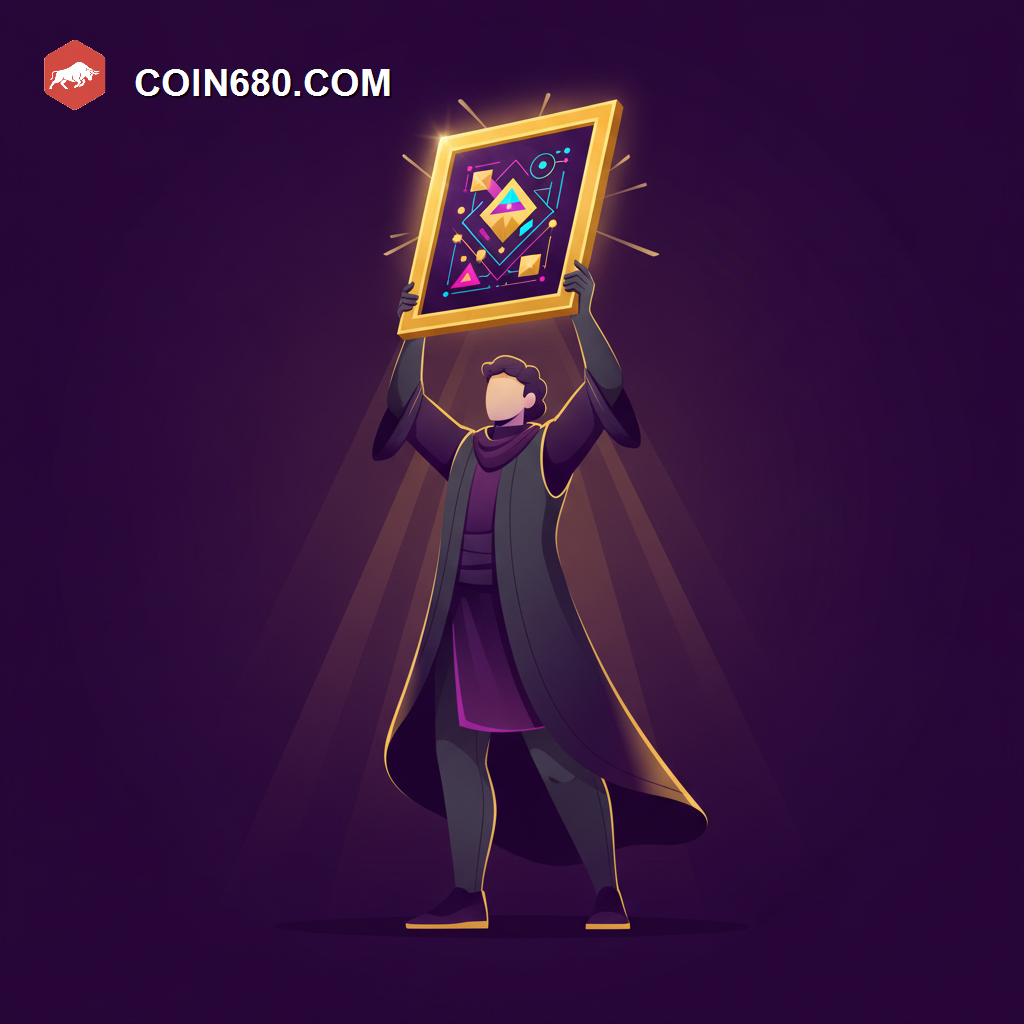
In 2021, a JPEG of a pixelated cartoon character could sell for more than most people’s houses , and for a few strange months, that wasn’t even considered particularly unusual.
What Was the 2021 NFT Boom?
Non-fungible tokens, or NFTs, exploded into mainstream awareness in 2021, with total NFT trading volume growing from a relatively niche market into billions of dollars over the course of the year. NFTs are unique, individually identifiable tokens, typically representing ownership of digital art, collectibles, or other digital assets, most commonly built on Ethereum.
Several profile-picture style collections became cultural phenomena during this period, with individual pieces trading for hundreds of thousands or even millions of dollars, and celebrities, athletes, and major brands rushing to launch or acquire their own NFT projects.
Why Did NFTs Suddenly Become So Popular?
The boom built on infrastructure and cultural momentum that had been developing for a couple of years, but accelerated rapidly once a handful of high-profile sales generated massive mainstream media attention, drawing in both crypto-native buyers and an entirely new audience of collectors and speculators who had never previously engaged with crypto at all.
NFTs also tapped into something beyond pure speculation: community and status. Owning a piece from a well-known collection functioned as a visible signal of belonging to a particular online community, which created social dynamics around NFT ownership that went well beyond simple price appreciation, closer to exclusive club membership than a typical financial asset.
What Happened After the Initial Boom?
Trading volumes and prices across most NFT collections declined substantially from their 2021 peaks in the years that followed, as the initial wave of speculative enthusiasm cooled and the broader crypto market entered its own downturn. Many projects that launched purely to capture boom-era attention saw their value collapse toward zero once new capital stopped flowing in.
At the same time, the underlying technology and use cases NFTs demonstrated , provable digital ownership, programmable royalties for creators, and community-based token gating , continued finding more grounded applications in gaming, digital identity, and ticketing, even as pure collectible speculation cooled considerably.
Key Lessons From the NFT Boom
- Cultural momentum can drive prices independent of typical fundamental analysis , NFT valuations during the boom were driven heavily by community status and social signaling rather than conventional financial metrics.
- Boom-era speculative capital is not permanent , most NFT collections saw dramatic value declines once initial hype faded, mirroring patterns seen in other speculative crypto cycles.
- The underlying technology outlasted the speculative peak , provable digital ownership and programmable royalties continue finding real applications beyond pure collectibles.
Frequently Asked Questions
Are NFTs still worth anything today?
Some established collections retain meaningful value, though the vast majority of NFTs minted during the 2021 boom have seen substantial value declines from their peak prices.
What made certain NFT collections more valuable than others?
Factors like community strength, founder reputation, scarcity, and cultural relevance all played a role, though these factors proved far less predictive of long-term value than initially assumed during the boom.
Do NFTs have uses beyond digital art collectibles?
Yes , NFT technology has since been applied to gaming items, event ticketing, digital identity verification, and other use cases requiring provable, unique digital ownership.
Want to understand the actual technical mechanics behind how NFTs prove ownership on a blockchain? Continue learning in the Bitcoin Academy.
Disclaimer: The content provided on this page is for informational and educational purposes only and does not constitute financial or investment advice. Cryptocurrency markets are highly volatile and involve significant risk of loss. Always do your own research and consult a licensed financial advisor before making any investment decisions.