The Rise of DeFi Summer 2020: What Changed in Crypto
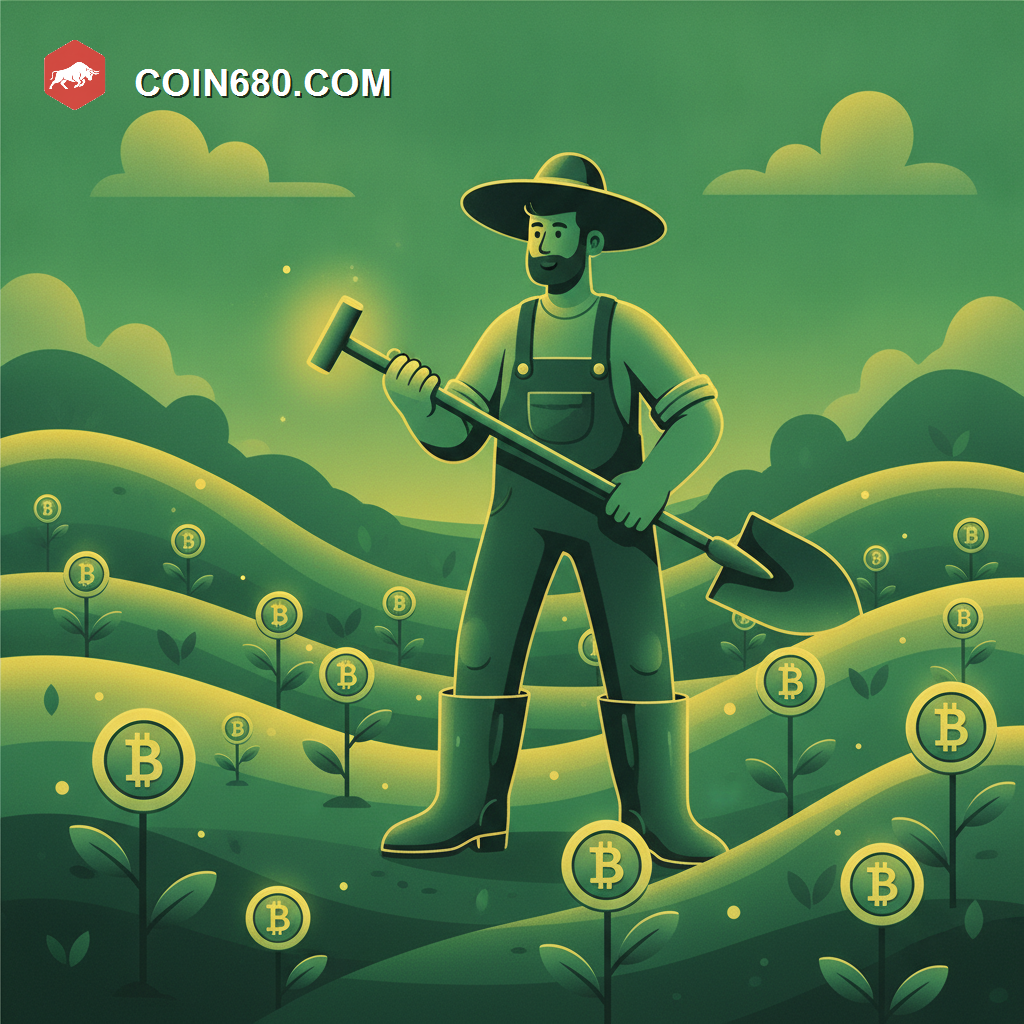
In the span of a few months in 2020, a corner of Ethereum that almost nobody outside crypto had heard of exploded into a multi-billion dollar phenomenon the industry still refers to by a single nickname: DeFi Summer.
What Was DeFi Summer?
DeFi Summer refers to the rapid growth of decentralized finance activity on Ethereum during the summer of 2020, when total value locked across DeFi protocols grew from roughly $1 billion to well over $10 billion within a matter of months. The period was defined by an explosion of new lending, borrowing, and trading protocols, along with a novel incentive mechanism that quickly became the era’s defining feature: yield farming.
Yield farming involved users providing liquidity or capital to DeFi protocols in exchange for newly issued governance tokens, often on top of standard interest or fees, creating powerful short-term incentives that drove enormous amounts of capital into these platforms extremely quickly.
Why Did DeFi Suddenly Take Off in 2020?
Several pieces came together at once. Ethereum’s smart contract infrastructure had matured enough to support increasingly sophisticated financial applications. A widely used lending protocol’s token launch in mid-2020 demonstrated that yield farming could generate extraordinary returns, quickly attracting a wave of copycat protocols competing for the same capital. And pandemic-era conditions left many people with both spare capital and unusual amounts of free time to explore new financial products.
The combination of genuine technical innovation and speculative token incentives made it difficult, in the moment, to distinguish which protocols represented durable infrastructure and which were primarily riding a temporary incentive-driven capital wave.
What Lasting Impact Did DeFi Summer Have?
DeFi Summer established patterns that remain central to decentralized finance today: automated market maker-based decentralized exchanges, algorithmic lending markets, and governance tokens that give holders voting power over a protocol’s future direction. Several protocols that first gained major traction during this period remain foundational pieces of DeFi infrastructure years later.
It also introduced the industry to yield farming’s double edge , the same mechanism that attracted enormous capital quickly could also see that capital exit just as fast once incentives changed or new, higher-yielding opportunities emerged elsewhere, a dynamic that has repeated in DeFi in various forms in every cycle since.
DeFi Before and After Summer 2020
- Before: DeFi was a niche corner of Ethereum with roughly $1 billion in total value locked, known mainly to a small community of developers and early adopters.
- After: DeFi became a mainstream crypto narrative, with total value locked climbing past $10 billion within months and eventually far higher in the following cycle.
- Lasting legacy: Yield farming, liquidity mining, and governance tokens became standard DeFi building blocks still used across the industry today.
Frequently Asked Questions
What is yield farming?
Yield farming is the practice of providing capital or liquidity to a DeFi protocol in exchange for rewards, often including newly issued governance tokens on top of standard fees or interest.
Is DeFi Summer still happening today?
The original 2020 DeFi Summer was a specific, time-bound growth event, though DeFi as a category has continued evolving and growing in the years since, through multiple subsequent cycles.
Were all DeFi Summer protocols successful long-term?
No , many protocols that gained rapid traction during this period later saw their token values and usage decline sharply once the initial incentive-driven capital rotated elsewhere.
Want to understand how automated market makers actually enable decentralized token trading? Continue learning in the Bitcoin Academy.
Disclaimer: The content provided on this page is for informational and educational purposes only and does not constitute financial or investment advice. Cryptocurrency markets are highly volatile and involve significant risk of loss. Always do your own research and consult a licensed financial advisor before making any investment decisions.