
What Is SegWit? Bitcoin’s Segregated Witness Upgrade
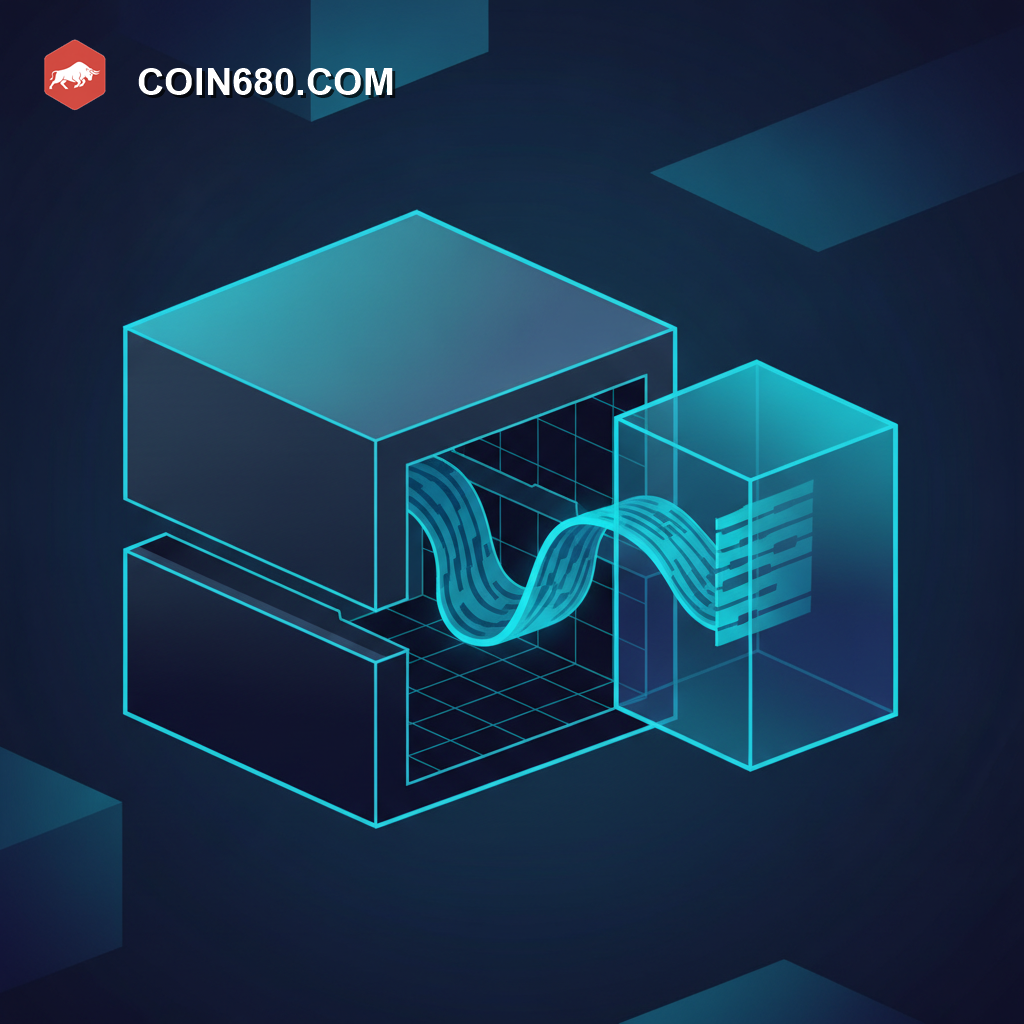
Myth: Bitcoin’s block size limit means the network can never handle more transactions per block without a contentious hard fork. Reality: one clever upgrade found extra room without changing that limit at all.
SegWit, short for Segregated Witness, is a Bitcoin protocol upgrade activated in 2017 that restructured how transaction data is stored inside a block. It separated the witness data — the digital signature information proving a transaction is authorized — from the rest of the transaction data, storing it in a different part of the block structure.
Why bother separating signature data? Because signature data typically makes up a large share of a transaction’s total size, and moving it outside the traditionally counted portion of the block let more transactions fit into the same block size limit, increasing real-world capacity without raising the raw 1-megabyte cap.
SegWit also fixed a subtler bug called transaction malleability, where a transaction’s unique ID could theoretically be altered slightly before confirmation. That bug had been blocking development of more advanced features — it needed to be fixed before the Lightning Network’s payment channels could be built safely on top of Bitcoin.
Adoption was gradual, since wallets and services needed to update their software. Today the overwhelming majority of Bitcoin transactions use SegWit or its successor formats, and addresses starting with bc1 are SegWit addresses — generally cheaper to transact with, since they take up less counted block space per transaction.
SegWit activated through a soft fork, meaning it was backward-compatible — nodes that hadn’t upgraded could still see and validate SegWit transactions as valid, just without understanding the new structure specifically. That avoided splitting the network.
Want to understand what separates a soft fork from a hard fork more precisely? Continue learning in the Bitcoin Academy.