
Bybit vs OKX: Full Head-to-Head Comparison
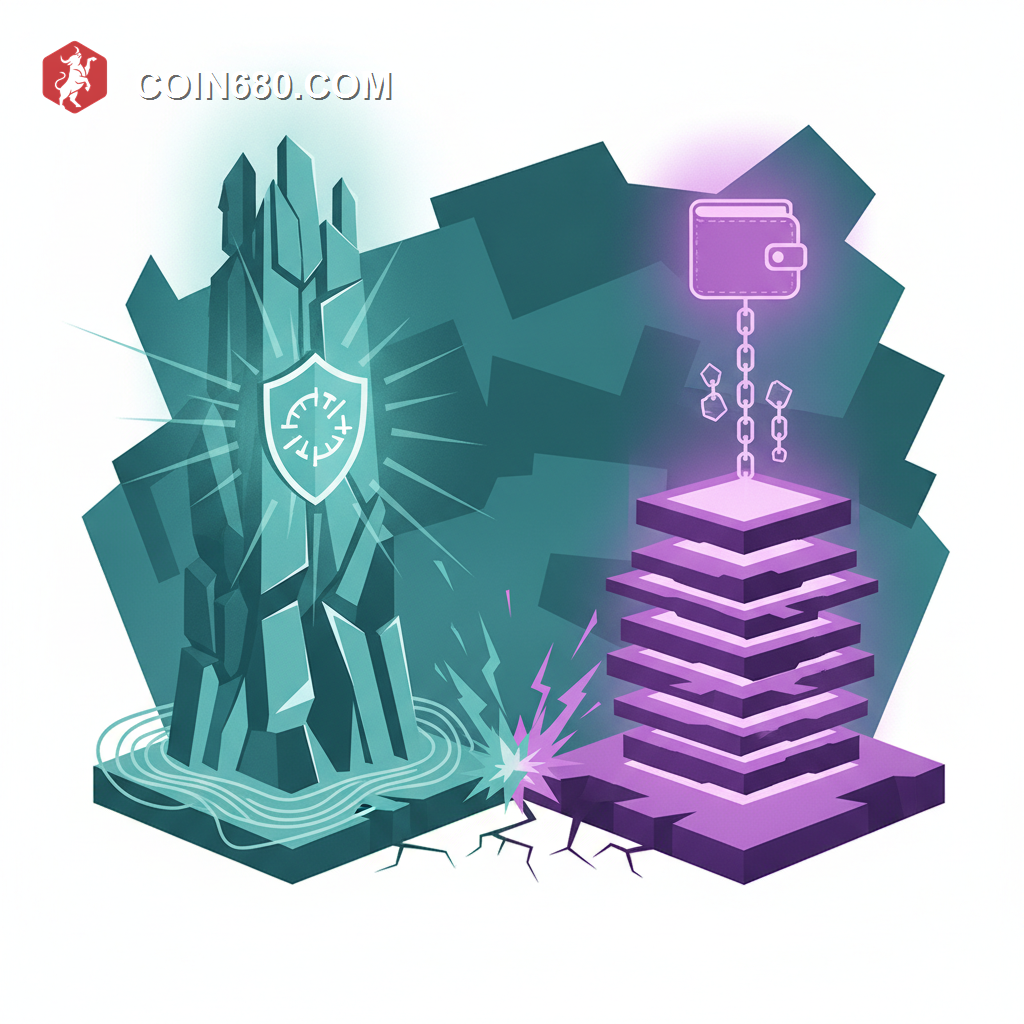
Bybit and OKX both offer strong derivatives products, but each approaches trading from a different overall platform philosophy. This is the complete, full-length comparison between them.
Platform focus: derivatives-first versus broadly diversified
Bybit’s entire platform history and architecture were built specifically around perpetual futures trading, with its Unified Trading Account and dedicated insurance fund reflecting that sustained focus. OKX’s derivatives products are fully capable, but they sit within a much broader overall platform that also includes a Web3 wallet, DEX aggregator, and strong compliance-forward transparency reporting, meaning derivatives are one part of a wider whole rather than the platform’s defining focus the way they are for Bybit.
Risk infrastructure for leveraged trading
Bybit’s insurance fund specifically absorbs losses when a liquidated position’s remaining margin falls short, with auto-deleveraging reserved for genuinely extreme conditions where the fund itself proves insufficient. OKX maintains comparable risk infrastructure for its own derivatives products, reflecting general industry standards for major exchanges, though the specific mechanics and depth of documentation differ somewhat between the two platforms.
On-chain access: OKX’s clear differentiator
OKX’s Web3 wallet and built-in DEX aggregator give it a genuinely different kind of product breadth that Bybit does not replicate; Bybit’s platform remains centralized-only across its entire product range. For a trader who wants derivatives alongside genuine self-custodied on-chain activity within one app ecosystem, OKX offers something Bybit simply does not.
Compliance and transparency posture
OKX has published proof-of-reserves reporting, giving users an independently verifiable transparency mechanism. Bybit’s security investment is real and specifically tailored to derivatives risk, but the two exchanges differ in how much broader, independently-verifiable platform transparency each has documented publicly, an area where OKX holds a documented edge.
Account structure and how funds move
Bybit’s Unified Trading Account lets spot and derivatives share the same margin balance without a separate transfer step, a genuine convenience for a trader moving frequently between the two. OKX’s account structure functions well but does not offer the same unified-margin convenience specifically tailored to derivatives the way Bybit’s does.
Fee structure compared directly
Both exchanges use a comparable tiered maker/taker fee schedule for spot and derivatives, each with a native token discount mechanism layered on top. Neither holds a dramatic structural fee advantage over the other for standard trading activity; the more meaningful cost consideration for an OKX user specifically comes from network gas fees if using the Web3 wallet, a cost category that does not apply to Bybit’s centralized-only structure.
Which one fits which trader
A trader whose primary activity is genuinely perpetual futures, who wants a unified account structure and dedicated derivatives risk infrastructure, should lean toward Bybit. A trader who wants derivatives alongside genuine on-chain access and a stronger documented compliance posture should lean toward OKX.
A practical way to decide instead of guessing
If your activity is purely derivatives with no interest in on-chain trading, compare the two directly on fee schedule and risk infrastructure depth for your specific contract types. If on-chain access matters at all to your broader strategy, OKX’s Web3 wallet may settle the decision regardless of any derivatives-specific comparison.
Frequently asked questions
Is Bybit’s derivatives infrastructure genuinely stronger than OKX’s? It is more narrowly focused and purpose-built specifically around derivatives, though OKX’s own derivatives products are fully functional and backed by strong broader compliance infrastructure.
Do I need the Web3 wallet to use OKX’s derivatives products? No, OKX’s centralized derivatives trading operates entirely independently of the Web3 wallet.
Can I use both exchanges for different purposes? Yes, nothing prevents holding accounts on both and using each for the specific products that suit a given strategy.
Ready to compare directly? You can open a Bybit account here or open an OKX account here and test both on your own trading pattern.
Leveraged futures trading and self-custody both carry substantial risk. Nothing in this article is financial advice.