
NY Attorney General Warns CLARITY Act Could Weaken State Crypto Enforcement
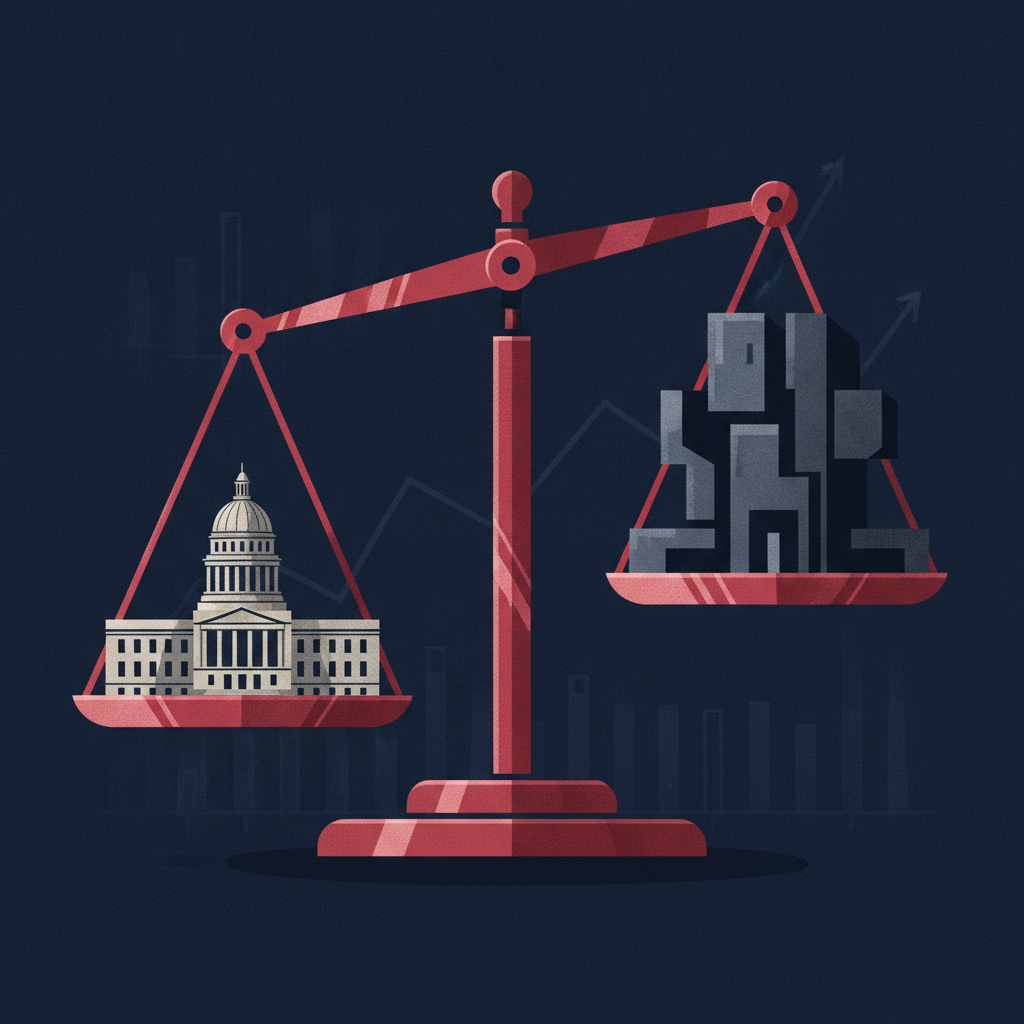
Not everyone wants the crypto industry’s flagship market structure bill to pass as written. A state attorney general has publicly warned that the CLARITY Act, in its current form, could actually weaken states’ ability to police crypto fraud within their own borders.
The Federal-State Tension at the Core of the Bill
The CLARITY Act is designed to hand primary oversight of most digital assets to federal regulators, mainly the CFTC and SEC, replacing today’s patchwork where individual states also bring their own enforcement actions against crypto firms operating within their jurisdiction. That patchwork is exactly what state regulators, including New York’s, have used repeatedly in past years to go after fraudulent crypto schemes and unregistered platforms.
The concern raised is straightforward: if federal preemption is written too broadly, state attorneys general could lose the legal standing to bring cases even when federal regulators are slow, under-resourced, or simply choose not to act. New York in particular has one of the most active state-level crypto enforcement records in the country, making this warning carry real practical weight rather than abstract legal theory.
Why This Adds to the Bill’s Existing Troubles
This objection lands on top of an already difficult path for the CLARITY Act, which separately faces a stalled Senate floor vote and unresolved disputes over ethics provisions tied to crypto ventures connected to the Trump family. A state-versus-federal turf fight adds yet another axis of disagreement to a bill that already has plenty.
Industry advocates generally support federal preemption, arguing that a state-by-state patchwork of crypto rules is exactly the uncertainty the bill is meant to fix. Consumer protection advocates and some state officials counter that removing a state-level backstop, before federal regulators have proven they can consistently fill that role, creates a gap fraudsters could exploit in the meantime.
Disclaimer: The content provided on this page is for informational and educational purposes only and does not constitute financial or investment advice. Cryptocurrency markets are highly volatile and involve significant risk of loss. Always do your own research and consult a licensed financial advisor before making any investment decisions.
How Does Bitcoin Regulation Actually Work?
Understanding who regulates crypto, and how state and federal roles differ, starts with the fundamentals covered in the Bitcoin Academy.