In the trading world, you’ve probably seen a huge volume spike on a candle, assumed “someone is buying big,” and rushed into a position. Yet just a few minutes later, price reverses, your stop-loss gets hit, and your account takes a heavy loss.
That isn’t bad luck. It’s part of a repeating volume cycle – a familiar script whales use to steer the crowd: accumulate – push price – distribute – cash out.
Volume Is Not the Truth – It’s a Footprint
The most common mistake retail traders make is trusting the surface appearance of volume.
They see a long green candle with very high volume and instantly think:
“Big money is buying – I have to jump in before it’s too late.”
When volume is low, they assume the market is dead, boring, and not worth watching.
But the reality is very different.
Volume is not the “spoken truth” of the market. It’s just the footprint left by large money.
Just like footprints in a forest: you can see the mark on the ground, but you don’t immediately know whether it belongs to a predator or prey. Only when you place that footprint in its proper context – timing, terrain, direction – does the full story become clear.
A massive volume spike can make you think the market is about to explode higher.
But if it appears after a long uptrend, that is often not a buy signal at all – it’s a sign that distribution is beginning, as whales quietly unload their positions onto latecomers.
On the other hand, you might see heavy volume at the end of a sell-off. Price stops falling and closes with a long lower wick. To the inexperienced eye, that looks like “extreme selling pressure.” But to someone who understands the cycle, it’s an absorption signal – whales are buying everything panicked traders are dumping.
In other words, volume is not an absolute truth.
It’s the hidden language of the market.
Those who can read it see large money’s intentions clearly.
Those who only look at the surface are led by that very same volume into traps.
The 4 Stages of the Volume Cycle
To understand volume, you must place it inside the four classic stages whales repeatedly use:
Accumulation – Mark-Up – Distribution – Cash-Out.
1. Accumulation
This is the quietest and hardest phase to spot.
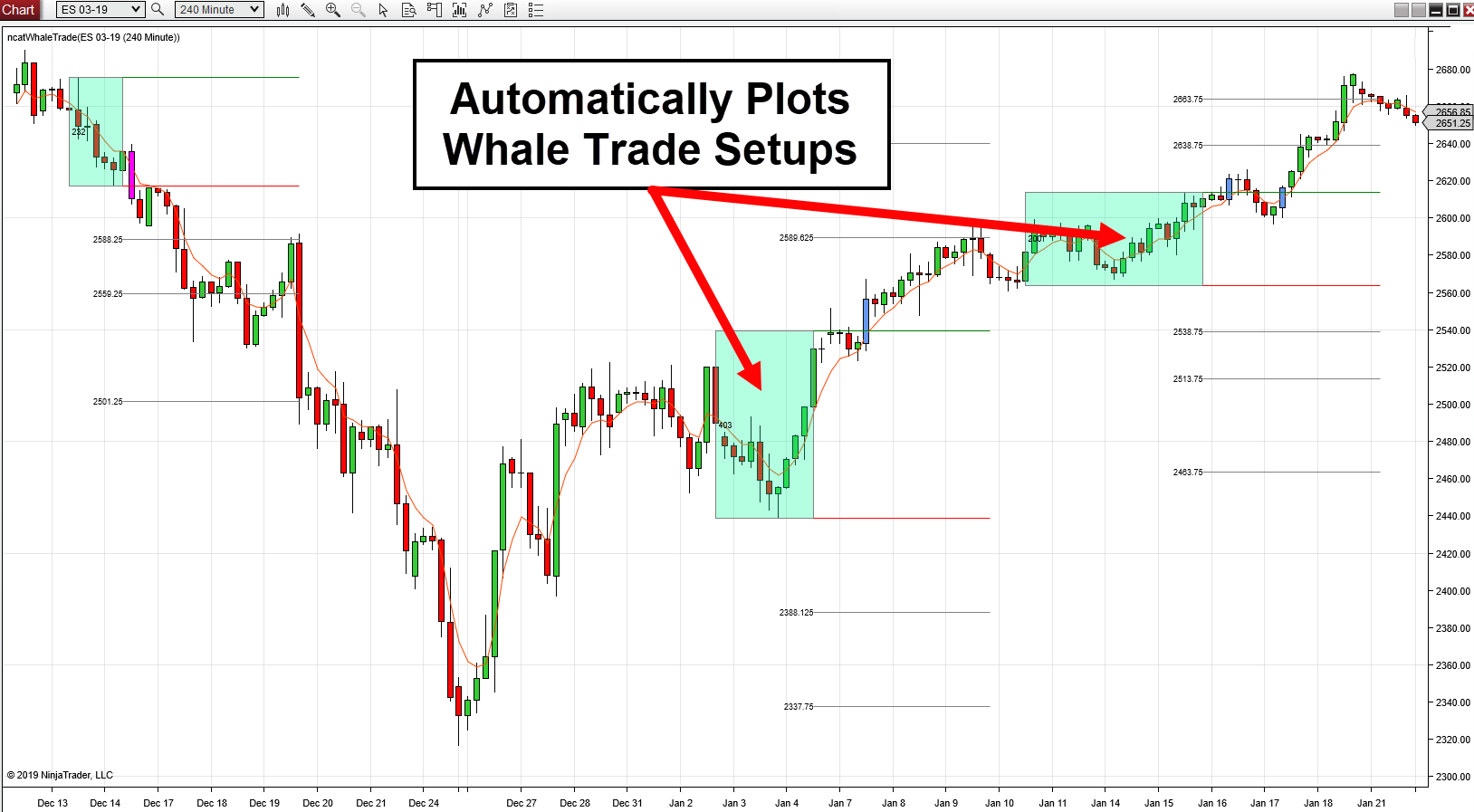
Price moves sideways or grinds slightly lower. Volume is steady, not dramatic. Most retail traders lose interest and walk away in boredom. Meanwhile, whales are quietly buying, piece by piece.
They use bad news and the crowd’s impatience to scoop up cheap inventory without pushing price up.
2. Mark-Up (Pushing Price)
Once they’ve accumulated enough, whales start “lighting up the stage.”
Positive news appears everywhere. Technical patterns look beautiful:
trendline breakouts, moving averages crossing up, key resistance levels broken.
Volume begins to rise, price climbs steadily – just enough to create a sense of safety in the crowd. Retail traders FOMO in, convinced the uptrend is now “confirmed.”
In reality, this is just set design – a staged environment for the next act.
3. Distribution
This is the most sophisticated part of the cycle.
Whales begin to distribute (sell) their holdings, but they never dump all at once.
They sell in layers, hiding their orders inside the very green candles you see as “strength.”
Volume is high, but price doesn’t move far. You see upper wicks, dojis, pin bars, failed breakouts. The crowd enthusiastically buys, but in truth, they’re buying the inventory whales accumulated at the bottom.
4. Cash-Out (Markdown)
Once whales have offloaded most of their positions, they have no reason to support the price.
They simply let go.
The market collapses. Price drops much faster than it ever climbed. Negative news floods in. Stop-loss orders get triggered en masse. Panic spreads.
Retail traders become the final source of liquidity in the game, while whales sit on the sidelines, watching – and preparing for the next accumulation phase.
The Three Hidden Phases Inside a Volume Cluster
To decode the true intentions of large money, you can’t just stare at a few isolated candles. You must recognize the refined structure whales often use:
Squeeze – Absorption – Test.
This “triple pattern” appears again and again before major moves, whether on a 15-minute intraday chart or a multi-week timeframe.
1. Squeeze
This is the first psychological blow.
Price is suddenly pushed below support or nudged just above resistance, creating the impression that a real “break” is underway. Stop-loss orders are hunted, the crowd panics, and impatient traders rush to exit.
But whales have no intention of driving price far – not yet.
They’re simply forcing you out of your position, clearing the board for their bigger plan.
2. Absorption
This is where things really happen.
As the crowd panic-sells, large money quietly stands behind the market and absorbs all that supply. Volume spikes sharply, yet price does not continue to fall.
You’ll see candles with long lower wicks closing mid-range, or a series of small candles where volume stays high.
That isn’t “overwhelming selling pressure.”
It’s stealth buying.
If you don’t understand this, you’ll think:
“Selling is so strong, this must drop much further.”
In reality, that’s the moment whales are buying from you.
3. Test
After accumulating enough, whales still don’t rush to push price.
They often run a small test – letting price retest the support zone once more, but this time on very low volume.
It’s their way of checking:
“Is there any meaningful selling left?”
If the market holds and no significant new supply shows up, the path is clear.
Right after that, the real breakout typically follows – fast and decisive.
The Squeeze – Absorption – Test structure acts like a three-layer security gate.
-
If you fail the psychological test in the squeeze phase, you’ll sell the bottom.
-
If you misunderstand absorption, you’ll mistake heavy volume for “strong selling” and stay out.
-
If you lack patience during the test, you’ll jump in too early and get hunted again.
Only those who observe long enough and always put volume into context can truly move with large money.
The Difference Between Survivors and Losers
The difference isn’t about how many indicators or strategies you have.
It lies in how you read the story behind volume.
Losing traders see a big green candle and instantly buy.
They see a long red candle and instantly sell.
They react on impulse, guided by emotions and the market’s appearance.
Surviving traders behave differently. They always ask:
-
“Where does this volume sit in the cycle?”
-
“Is this part of a squeeze, absorption, or test?”
-
“What is the real intention behind this move?”
That curiosity – and the habit of constantly questioning – allows them to stay out when the crowd is being lured in, and only act when the opportunity is truly ripe.
This is the biggest dividing line in trading:
some become liquidity, others survive and profit.
Conclusion
The market has never been random.
It is powered by human greed and fear, and volume is the most honest mirror of that.
When you learn to read volume not as a random number,
but as a footprint inside the Squeeze – Absorption – Test cycle,
you begin to see what the crowd consistently overlooks.
Remember: you don’t need to catch tops or bottoms to win.
You just need to avoid standing in the way of large money.
When you’re patient enough to observe,
and disciplined enough to stay out while the market is chaotic,
you’ll act at the right moment – just like the whales.
👉 If you want to keep training your ability to read whale footprints and focus on money flow instead of blindly following the crowd, follow Coinbull. There, we share real-world insights to help you protect your capital, understand market cycles, and gradually move from being led by the market to leading your own decisions.