
Every trader who has spent enough time in the market has likely experienced the same painful scenario:
A perfect signal appears.
A beautiful support zone.
A textbook candle confirmation.
Reasonable volume.
You enter the trade confidently and place your stop-loss exactly where books, courses, and experts say it is “safe.”
And then—almost like clockwork—price drops just enough to hit your stop-loss… before immediately reversing and moving exactly in the direction you predicted.
Not once. Not twice.
But repeatedly.
You begin to doubt your system.
You begin to doubt technical analysis.
Some even believe the market is rigged.
The truth?
You were not wrong. You were hunted.
This is the world few traders dare to talk about openly:
Stop-Loss Hunting – the deliberate targeting of retail liquidity by smart money.

1. The Harsh Truth: Someone Is Looking at Your Orders
While retail traders focus on indicators—EMA, RSI, MACD—large players look at something far more powerful:
Liquidity Maps
Market makers, hedge funds, institutional desks, and large brokers track:
-
Where stop-loss clusters are located
-
Where pending orders accumulate
-
Which price levels contain large pools of retail liquidity
A former hedge fund trader summarized it perfectly:
“We don’t trade the trend. We trade where retail feels the most pain.”
To enter massive positions without causing slippage, institutions need liquidity.
Your stop-loss—along with thousands of others—is that liquidity.
2. The Mechanism Behind Stop-Loss Hunting
To understand why your stop-loss gets hit so often, you must see the market from the perspective of the hunter, not the prey.
2.1. False Breakouts – The Classic Trap
Traders see a strong support zone and place their stop-losses below it.
So does everyone else.
Institutions simply push price slightly below that level:
-
All stop-losses turn into market sell orders
-
Liquidity floods in
-
Institutions buy aggressively at the lowest possible price
Then price immediately reverses, leaving a long wick on the chart.
Retail calls it “noise.”
Professionals call it liquidity engineering.
2.2. News Spikes – Volatility as a Weapon
During major events like NFP, CPI, or FOMC:
-
Retail widens stop-losses
-
Many move stops closer due to fear
-
Liquidity pools become dense and easy to target
Institutions use high volatility to sweep these zones, absorb liquidity, then reverse pricing.
News isn’t the cause—
It’s the perfect camouflage.
2.3. Liquidity Sweeps – The Fundamental Law of Markets
To buy 1,000 lots, someone must sell 1,000 lots.
Retail stop-loss orders equal instant, guaranteed liquidity.
Stop-loss hunting is not cheating.
It’s simply the market doing what it must to function.
3. Why Retail Stops Are So Predictable
Retail traders unintentionally make themselves easy targets.
3.1. “Safe Zones” Are Actually Kill Zones
Typical retail behavior:
-
Enter at support
-
Place stop-loss just below
-
Move stop-loss further when scared
This creates liquidity pockets—clear, predictable, and easy to exploit.
3.2. Psychology Makes It Worse
Fear-driven behavior leads to:
-
Stops placed too tight
-
Stops placed in obvious locations
-
Emotional adjustments during drawdowns
This creates perfect opportunities for institutional “hunts.”
4. How Institutions Actually Operate – The Heatmap of Pain
Institutions do NOT see candle charts the way retail does.
They see:
-
Liquidity pools
-
Stop-loss clusters
-
Order flow imbalances
-
High-probability sweep zones
If their system detects that:
“At $1900 gold, there is a massive cluster of stop-losses…”
Then the mission becomes obvious:
→ Push price to $1888
→ Trigger the stops
→ Absorb the forced sell orders
→ Reverse and move the market efficiently
Retail sees chaos.
Institutions see mathematics.
5. The Most Common Stop-Loss Traps
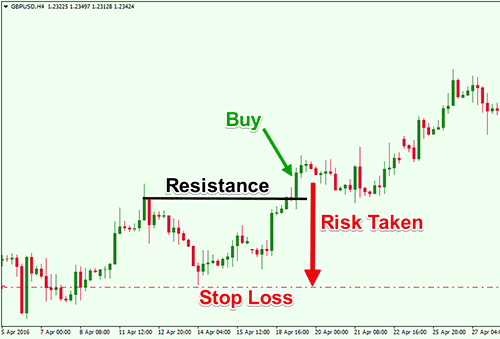
5.1. The “Obvious Level” Trap
A very clear support or resistance zone is not protection—
It is public knowledge.
The more obvious the level, the more liquidity behind it,
and the more attractive it is to institutions.
5.2. The “Perfect Candle” Trap
Pin Bars, Engulfings, Doji, Morning Star…
Beautiful, clean patterns often attract mass retail entries.
This creates liquidity for the opposite move.
5.3. The “Textbook Pattern” Trap
Head & Shoulders, Double Tops, Triangles…
When thousands of traders see the same pattern,
institutions see a predictable concentration of liquidity.
Patterns fail not because they are wrong—
but because too many people believe in them.
6. Survival Strategies – How Not to Be Prey
You cannot stop predators from existing.
But you can stop walking into their traps.
6.1. Observation First, Action Second
The first breakout is rarely the real one.
Patience is your shield.
6.2. Volume as a Language, Not a Number
Examples:
-
Big volume but no price movement → absorption
-
Sudden spikes → liquidity sweep
-
Volume divergence → trap warning
Volume tells the truth even when candles lie.
6.3. Imbalance Zones Matter
Price often returns to fill imbalances:
-
If re-test shows weak selling → institutions are done sweeping
-
This becomes an optimal entry zone
6.4. Trade After Retail Loses
A powerful rule:
Enter only after the trap is sprung — not before.
When retail gets stopped out, smart money enters.
7. The Mindset Shift – The Art of Silence and Patience
Knowledge won’t save you.
Indicators won’t save you.
Only mindset does.
7.1. Patience Hurts Retail, Empowers Institutions
Big players wait days or weeks for a single entry.
Retail trades 10 times a day and wonders why they lose.
7.2. Silence Is a Strategy
Markets punish noise:
FOMO, fear, excitement, impatience.
Professionals are emotionless.
Retail reacts emotionally to every tick.
7.3. Opportunities Are Infinite. Your Capital Is Not.
FOMO is a psychological trap.
Missing one trade does not matter.
Protecting capital does.
8. When You Stop Being Prey
You escape the trap the moment you stop acting like the herd.
8.1. Change the Question
Retail asks:
“Where should I place my stop-loss?”
Professionals ask:
“If I were smart money, where would I hunt liquidity?”
That shift alone transforms your results.
8.2. The Market Becomes a Map, Not a Mystery
Candles are no longer noise;
they are footprints.
Retail panic is no longer confusing;
it is a signal.
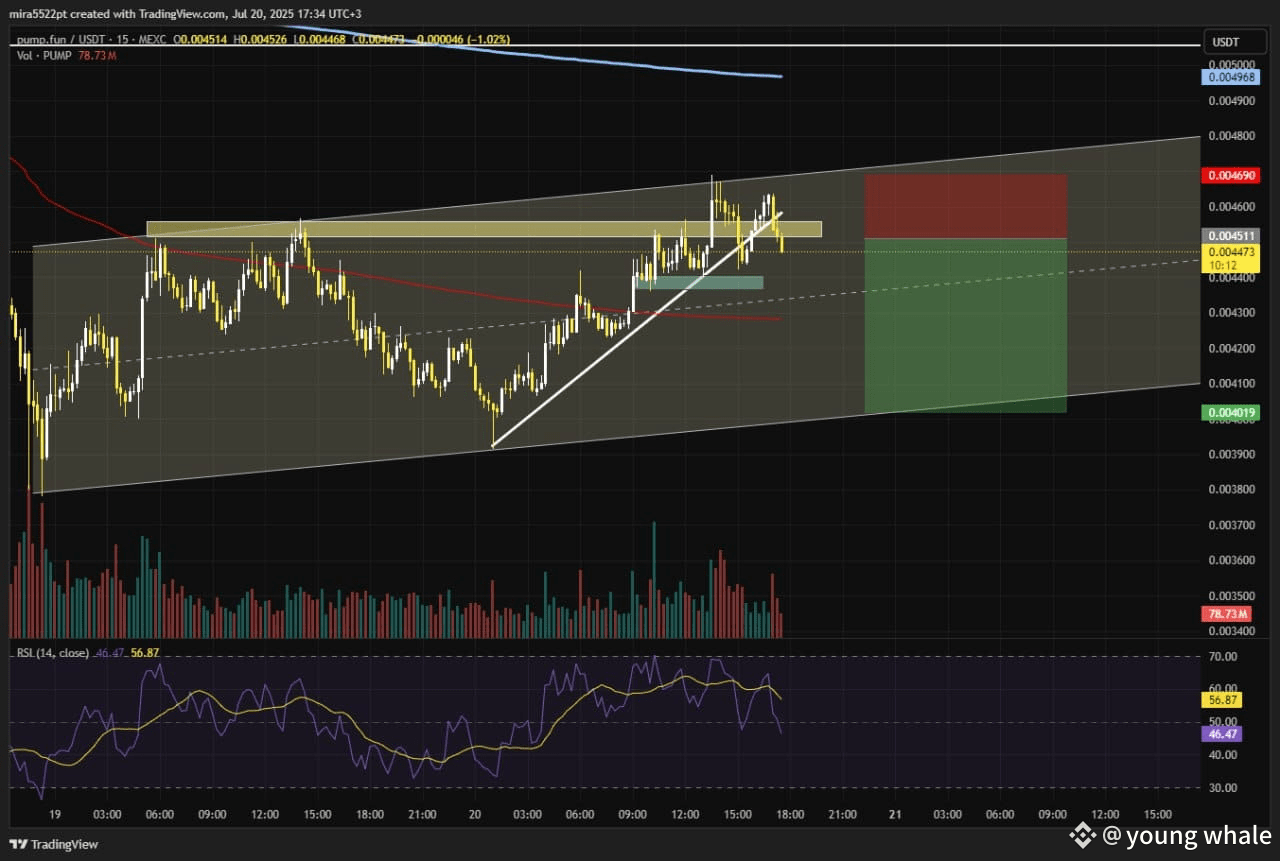
9. Final Thoughts – Trading Is a Game of Liquidity and Emotion
People study indicators for years but ignore the two real rulers of the market:
-
Liquidity
-
Human psychology
Stop-loss hunting is not a conspiracy.
It is a structural necessity of markets.
The Market Is a Mirror
-
Fear creates predictable stop-losses
-
Greed creates predictable entries
-
Impatience creates predictable losses
Stop-Loss Is Not the Enemy – Misuse Is
A stop-loss saves your account only when placed with intelligence.
You Cannot Change the Rules – Only Your Role
→ You can be the liquidity
or
→ You can trade with the liquidity
The market always leaves clues—wicks, volume, order flow, imbalances.
When you learn to read them,
stop-loss hunting is no longer something that happens to you,
but something you can anticipate and capitalize on.